Best Smart Watch Dive Computer (2026): Which Should You Choose?
Comparing the best smart watch dive computer against a dedicated unit on fit, battery, air integration and safety features to help women divers choose.
 By Delilah Quinn
The best smart watch dive computer is the right pick if you want one device that tracks fitness, notifications and dives, and you mostly dive recreationally in depths under about 130 feet. A dedicated console-style dive computer wins if you dive technical profiles, want the longest battery life, or need a larger display you can read with a mask on and gloves in cold water. Read on for how the two compare on the criteria that matter most when you’re underwater.
| Criterion | Smart Watch Dive Computer | Dedicated Dive Computer |
|---|---|---|
| Primary use | Recreational diving plus daily activity tracking | Dive-focused, including technical and gas-switching profiles |
| Display | Smaller, touch-enabled, may need wrist raised | Larger, often button-operated, easier to read in low light |
| Battery life | Typically a day or two of mixed use; dive modes draw more power | Often a week or more of dive use on a single charge or battery |
| Air integration | Available on some models with a compatible transmitter | Widely available on console and wrist designs |
| Fitness tracking | Strong, with heart rate, steps and sleep | Limited or none |
| Ease of use underwater | Touch screen can be unreliable when wet | Physical buttons work with thick gloves |
| Best for | Everyday wear, casual divers, travel divers | Frequent divers, technical divers, instructors |
Display and Readability: Dedicated Units Win
When you check your depth at 60 feet with reduced visibility, the screen has to be readable in a second or two. Most smart watches use small, high-resolution touch displays that look sharp on land but can be hard to read in murky water. Many smart watch dive modes also rely on a raised-wrist or tap-to-wake gesture, which is awkward when you are trying to keep your buoyancy steady.
Dedicated dive computers usually have larger screens with high-contrast layouts, and many are operated by physical buttons. You can press them with a thick glove on, which matters in cold water. For readability, the dedicated unit takes this round.
Battery Life: Dedicated Units Win
A smart watch is built to handle notifications, GPS, heart rate and sleep tracking across a full day. Turning on a dive mode adds a significant load, so a watch that lasts several days on normal use may drop to a fraction of that during a long dive day with multiple dives. Manufacturers generally specify battery life for standard use, so check the dive-mode figure before you travel.
Dedicated dive computers are designed around dive time. Many are specified to run for many dives over a week or longer, and they are simpler to top up on a dive trip. If you dive several days in a row without a charger, this is a clear advantage for the dedicated unit.
Air Integration: Both Options Can Work
Air integration shows your tank pressure and remaining air time on your computer. Some smart watches support it through a compatible transmitter, and dedicated wrist computers and console units offer it as a standard feature. Before buying, confirm that the transmitter works with your regulator and your specific watch model, because compatibility varies. If you want an integrated setup, a dedicated computer is usually the simpler path. Our guide on Air Integrated Dive Computer Watch: How It Works and How to Choose One explains the transmitter pairing in more detail.
For air integration, this criterion is close to a tie, with a slight edge to dedicated units because compatibility is more consistently documented.
Fitness and Everyday Use: Smart Watches Win
If you want step counts, heart rate during a swim, sleep data and phone notifications, a smart watch covers all of that. A dedicated dive computer typically does not track fitness beyond basic depth and time data. For women who use their watch every day and dive occasionally, this is a major practical advantage. The Apple Watch line is one example that many divers use; see Can Apple Watch Be Used as a Dive Computer? What Divers Need to Know for what it can and cannot do underwater.
Fit and Comfort on a Smaller Wrist: Tie
Smaller wrists, which are common among women, often struggle with bulky dive computers. A smart watch can be a comfortable fit because many come in smaller case sizes. Dedicated wrist computers are also made in lower-profile designs, and some come with adjustable straps. Check the case diameter and strap length against your wrist measurement before buying. A wrist circumference of about 6 to 7 inches generally fits a smaller case better than an oversized one. For wetsuit sleeve fit, consider the wrist-mounted unit’s position relative to your cuff; our guide on Wrist Watch Dive Computer vs Console Dive Computer: Which Should You Choose? covers mounting trade-offs.
Safety Features and Certification Alignment: Dedicated Units Win
Dedicated dive computers are built around decompression algorithms and are often used for planned multi-level or technical profiles. They typically offer conservative settings, gas-switch options and clear alarms. Smart watch dive modes are designed for recreational limits and may not support every profile you’ll learn in advanced or technical courses. Dive safety is a serious matter, so if you plan to go beyond recreational limits, consult a certified instructor before choosing your computer.
Price-Independent Value: Choose by Use, Not Budget
The best value depends on your diving habits. A budget pick that matches your recreational depth limits can serve well for years, while a premium option makes sense if you dive frequently or plan advanced training. Focus on the features you will actually use.
Which Should You Choose?
- Choose a smart watch dive computer if you wear your watch daily for fitness and want one device for land and water.
- Choose a smart watch dive computer if you dive mainly recreationally within standard no-decompression limits.
- Choose a dedicated dive computer if you dive several days in a row and need reliable battery life.
- Choose a dedicated dive computer if you plan technical or advanced training.
- Choose a dedicated dive computer if you have trouble reading small screens or operating touch controls with gloves.
- Choose a smart watch dive computer if air integration compatibility with your regulator is confirmed.
Recommended Options
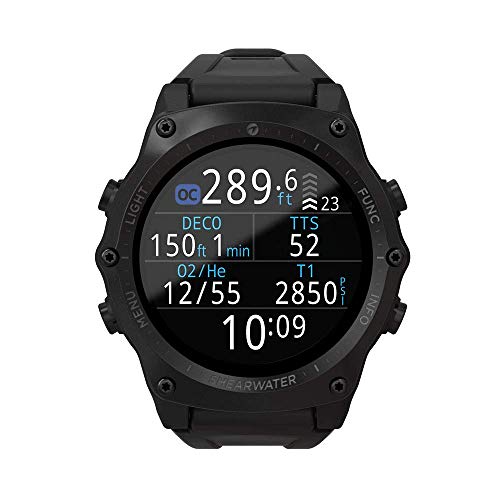
For a smart watch option, the Apple Watch Ultra line is widely discussed among recreational divers and is covered in detail in Apple Watch Ultra as Dive Computer: 10 Best Picks for Scuba Divers (2026). For a dedicated wrist-style unit, look at Shearwater Teric or Suunto EON Steel, both established dive computers. Check each product page before buying to confirm current features.
View on AmazonFAQ
Is a smart watch dive computer safe for recreational diving?
Many smart watch dive modes are designed for recreational limits. Follow the manufacturer’s depth and time guidance, and do not rely on a single device for planned decompression. Consult a certified instructor for your specific training level.
How long does a smart watch dive computer battery last during diving?
Battery life varies by model and dive mode. Manufacturers specify figures for standard use, and dive modes draw more power, so check the dive-mode figure and charge fully before a dive trip.
Can I use air integration with a smart watch?
Some smart watches support air integration with a compatible transmitter. Confirm compatibility with your regulator and watch model before buying.
Do women’s fit sizes matter for dive computers?
Yes. Case diameter and strap length affect comfort and whether the unit fits under a wetsuit sleeve. Measure your wrist and compare it to the manufacturer’s sizing.
Should I buy a smart watch or a dedicated dive computer first?
If you already wear a smart watch daily and dive recreationally, a smart watch dive computer may cover your needs. If you dive often or plan advanced training, start with a dedicated unit.
Conclusion
The best smart watch dive computer suits women who want daily fitness tracking and casual recreational diving in one device. A dedicated dive computer serves frequent, technical and multi-day divers better because of its readability, battery life and safety features. Match the choice to how and how often you dive, confirm compatibility for any air integration, and consult a certified instructor before diving beyond recreational limits.

About Delilah Quinn
Delilah covers scuba gear for women, comparing specs, features and long-term owner feedback to help readers choose with confidence.
About the author
Delilah Quinn writes reviews and buying guides for Scuba Women.