5 Best Intermediate Scuba Regulator Picks for Divers (2026)
Compare the best intermediate scuba regulator options for divers moving past beginner gear. See which fits cold water, travel, and budget needs before you buy.
 By Lauren Holland
Updated November 23, 2026
 By Lauren Holland
Updated November 2026
Finding the best intermediate scuba regulator is usually the next step once you have logged a solid number of dives and want gear that handles colder water, longer bottom times, and more demanding conditions than an entry-level set. This guide compares five regulators that suit that stage of diving. Each pick was chosen by checking manufacturer specifications, brand reputation for service and reliability, and patterns that owners commonly describe in their feedback. We have not tested these products ourselves, so treat the notes below as research summaries rather than hands-on results.
Our top picks at a glance
- 1TOP CHOICEBest overallCRESSI Scuba Regulator, AC2/CompactView on Amazon
- 2
 TOP CHOICEBest for cold waterOceanic Delta 5 2nd Stage OnlyView on Amazon
- 3
 TOP CHOICEBest for a complete starter-to-intermediate setTUDIVING Scuba Regulator SetView on Amazon
- 4
 Best budget pickSPYMINNPOO Diving RegulatorView on Amazon
- 5
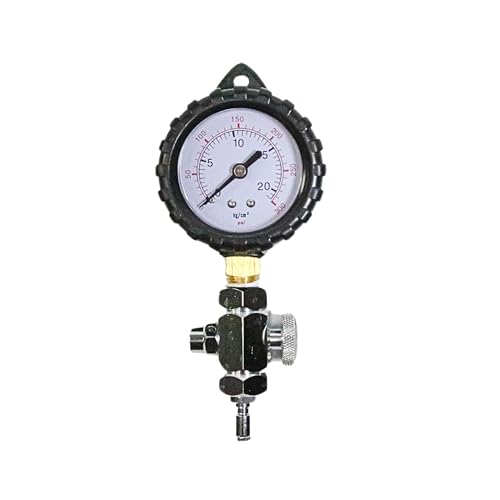 Best for setup and maintenance checksScuba Choice Intermediate Pressure GaugeView on Amazon
Our Top Picks
The table below compares the five products at a glance. Read the individual reviews that follow for specs, pros, cons, and who each one suits.
Quick Comparison
| Product | Best for | Key feature |
|---|---|---|
| CRESSI Scuba Regulator, AC2/Compact | Overall intermediate use | Piston first stage with external intermediate-pressure adjustment |
| Oceanic Delta 5 2nd Stage Only | Cold water diving | Second stage built for cold-water breathing performance |
| TUDIVING Scuba Regulator Set | Divers wanting a complete set | Second stage bundled with a tripartite gauge console |
| SPYMINNPOO Diving Regulator | Budget-conscious divers | Adjustable two-stage design |
| Scuba Choice Intermediate Pressure Gauge | Checking regulator pressure | Metal gauge reading up to 300 PSI with release valve |
CRESSI Scuba Regulator, AC2/Compact
CRESSI Scuba Regulator, AC2/Compact, Piston First Stage, Silver | For Fall Dives Above 10°C, External Intermediate-Pressure Adjustment, Anti-Scratch Front Cover, Conical Filter, INT/DIN Kit
Best for: Overall intermediate use and divers who want a well-known brand with a compact first stage.
This regulator suits divers who have moved beyond basic recreational dives and want a reliable piston-type first stage that can handle a range of water temperatures. The listing indicates it is intended for diving in water above 10°C, so it is better matched to temperate or warm conditions than to very cold water without extra thermal protection.
Key specs
- Piston first stage
- External intermediate-pressure adjustment
- Anti-scratch front cover
- Conical filter
- INT/DIN kit included
Pros
- External intermediate-pressure adjustment makes tuning easier without opening the housing
- Compact first stage suits divers with smaller hands or limited bag space
- INT/DIN kit gives flexibility with different tank valve types
Cons
- Listing specifies water above 10°C, which limits cold-water use
- As a first stage, it must be paired with a separate second stage and hoses
Bottom line: A strong pick for divers who want an established brand, adjustable intermediate pressure, and a compact design for temperate diving.
View on AmazonOceanic Delta 5 2nd Stage Only
Oceanic Delta 5 2nd Stage Only | Breathing Regulator for Scuba Diving | Strong Cold-Water Performance | Black
Best for: Cold water diving and divers who want a dependable second stage.
Owners of second stages in this class often describe easy breathing at depth and reliable performance when water is cold. Because this listing is for the second stage only, you will need a compatible first stage to complete the regulator.
Key specs
- Second stage only (first stage sold separately)
- Designed for cold-water breathing performance
- Black finish
Pros
- Marketed specifically for strong cold-water performance
- Oceanic is a long-established name in dive equipment
- Good option for upgrading a single component without replacing the whole set
Cons
- Not a complete regulator, so a first stage must be matched separately
- Compatibility with your first stage and hose lengths should be confirmed before buying
Bottom line: Best for divers who already own a first stage and want a cold-water-capable second stage.
View on AmazonTUDIVING Scuba Regulator Set
TUDIVING-Scuba Regulator | Scuba Regulator Set- with 2nd Stage & Tripartite Table(Pressure Gauge, Compass, Depth Gauge) | Scuba Diving Regulator for Scuba Diving
Best for: Divers wanting a complete set with a console-style gauge package. We also found 7 Best Balanced Scuba Regulator Picks for Divers in 2026 useful on this point.
This set is listed with a second stage and a tripartite console that includes a pressure gauge, compass, and depth gauge. It suits divers who prefer to have their instruments grouped and who want one purchase covering several basics.
Key specs
- Regulator set with second stage
- Tripartite console: pressure gauge, compass, depth gauge
Pros
- Bundled console covers pressure, depth, and direction in one unit
- Complete set reduces the number of separate purchases
- Practical for divers building a first full kit
Cons
- Bundled gauges from budget-oriented sets may not match the build quality of major brands
- Owners should verify gauge accuracy and servicing options before relying on them
Bottom line: A practical choice for divers who want an all-in-one set and are comfortable checking the instruments carefully.
View on AmazonSPYMINNPOO Diving Regulator
SPYMINNPOO Diving Regulator, Adjustable Two Stage Scuba Regulator Breathing Apparatus Parts for Diving Snorkeling Underwater
Best for: Budget-conscious divers who want an adjustable two-stage design. 5 Best Scuba Regulator Testing Equipment Picks for Divers (2026) goes further into this.
This adjustable two-stage regulator is aimed at divers who want to step up from beginner gear without committing to a premium brand. It is also listed for snorkeling use, so it may suit occasional divers as well.
Key specs
- Adjustable two-stage design
Pros
- Budget-friendly way to try an adjustable two-stage setup
- Listed for both diving and snorkeling
- Simple design for divers with modest needs
Cons
- Less established brand recognition than major manufacturers, so service options may be limited
- Divers planning regular cold-water or deep dives may want a more proven model
Bottom line: Suits divers who want an adjustable two-stage regulator for warmer, moderate dives and are watching their budget.
View on AmazonScuba Choice Intermediate Pressure Gauge
Scuba Choice 2" PSI Intermediate Pressure Gauge & Release Valve, Metal, Reads up to 300 PSI, Quick Regulator Pressure Checker, Essential Scuba Diving Tool for Maintenance (4"x2"x1")
Best for: Checking and maintaining intermediate pressure during setup and servicing.
This is a diagnostic tool rather than a breathing regulator. It is useful for divers and technicians who want to verify intermediate pressure on a first stage during routine checks. It belongs in a maintenance kit alongside a regulator, not in place of one.
Key specs
- 2-inch metal gauge
- Reads up to 300 PSI
- Includes release valve
- Listed dimensions: 4″ x 2″ x 1″
Pros
- Compact, metal construction suited to shop use
- Helpful for checking intermediate pressure during maintenance
- Low-cost way to add a pressure check to your toolkit
Cons
- Does not function as a regulator and cannot be used for breathing
- Accuracy should be checked against a reference when precision matters
Bottom line: Worth adding to a maintenance kit if you service your own regulator, but it is not a substitute for a breathing set.
View on AmazonBuying Guide
Choosing the best intermediate scuba regulator depends on where you dive, how often, and how much maintenance you want to handle yourself. The factors below cover what to check before you buy.
Stage configuration and first-stage type
Regulators are built in stages. The first stage reduces tank pressure to an intermediate pressure, and the second stage delivers air to you at ambient pressure. Piston first stages are common in recreational gear and are often praised for consistent performance across temperatures. Confirm whether you need a complete set or a single component.
Good picks for this: CRESSI AC2/Compact, Oceanic Delta 5 2nd Stage Only
Water temperature rating
Many manufacturers specify the water temperatures a regulator is intended for. Some models are described for water above a set threshold, while cold-water models are built to resist freezing and maintain airflow. If you dive in cold lakes or northern coastal water, check the listed temperature range before purchasing.
Good picks for this: Oceanic Delta 5 2nd Stage Only, CRESSI AC2/Compact
Intermediate pressure adjustment
Some regulators allow you to adjust intermediate pressure externally. This can help fine-tune breathing effort and make service checks easier. Look for an external adjustment port or screw if you plan to tune the regulator yourself, and keep in mind that adjustments should follow the manufacturer’s procedure.
Good picks for this: CRESSI AC2/Compact, Scuba Choice Intermediate Pressure Gauge
Compatibility and connections
Check whether the first stage uses a DIN connection, an INT connection, or both. Many modern regulators include an INT/DIN kit so one set can fit different tank valves. Confirm hose lengths and port count before you buy, especially if you plan to add an octopus or inflator hose later.
Good picks for this: CRESSI AC2/Compact, TUDIVING Scuba Regulator Set
Size, weight, and fit
A compact first stage is easier to store and transport, and it can feel more comfortable in the mouth when paired with a well-fitting second stage. Divers with smaller hands or limited dive bag space often prefer smaller components. Try to handle the second stage before buying if you can, since mouthpiece fit affects comfort over long dives.
Good picks for this: CRESSI AC2/Compact, Oceanic Delta 5 2nd Stage Only
Durability and servicing
Regulators need periodic professional servicing, typically on a schedule set by the manufacturer. Established brands generally have wider service networks and parts availability. Before buying, look for a nearby authorized service center and confirm that replacement parts are obtainable.
Good picks for this: CRESSI AC2/Compact, Oceanic Delta 5 2nd Stage Only
Gauges and instrumentation
If you want pressure, depth, and direction information in one place, a console-style set may be useful. Gauges should be accurate and easy to read, and any pressure gauge should be checked against a reference during maintenance. A separate intermediate pressure gauge can help you verify first-stage output.
Good picks for this: TUDIVING Scuba Regulator Set, Scuba Choice Intermediate Pressure Gauge
FAQ
What makes a regulator “intermediate” rather than beginner?
Intermediate regulators usually offer better breathing performance across a range of depths and temperatures, more adjustability, and components built for a longer service life. The label is informal, so compare specifications rather than relying on the category name alone.
Do I need a cold-water regulator if I only dive in warm water?
Not necessarily. If you only dive in warm, tropical water, a standard regulator rated for those conditions will generally serve you well. Cold-water models matter when you dive in water that approaches or falls below the temperatures the regulator is rated for.
Can I mix a first stage from one brand with a second stage from another?
Some combinations work, but compatibility depends on design, port configuration, and airflow specifications. Check with a dive professional or the manufacturer before mixing components, because mismatched stages can affect breathing performance.
How often should a scuba regulator be serviced?
Most manufacturers recommend professional servicing at regular intervals, often annually or after a set number of dives, depending on use and water conditions. Follow the schedule in the owner’s manual and have servicing done by a qualified technician.
What is the difference between a first stage and a second stage?
The first stage attaches to the tank valve and reduces high tank pressure to a steady intermediate pressure. The second stage is the part you breathe from and delivers air at the pressure surrounding you underwater. Both must work together for safe, comfortable breathing.
Is a budget regulator safe for regular diving?
Budget regulators can be used for recreational diving if they are properly maintained and matched to your dive conditions. Because service history and parts availability matter a great deal for safety, check those factors before relying on any lower-cost model. If you have questions about safety, consult a certified dive instructor or a qualified dive shop.
Should I buy a used intermediate regulator?
Used regulators can be a practical option, but service records and condition are important. Have any used regulator inspected by a qualified technician before diving with it, since internal wear is not always visible.
Conclusion
For most divers stepping up from entry-level gear, the CRESSI AC2/Compact is a sensible overall choice thanks to its adjustable intermediate pressure and compact design, provided your diving stays in water above the listed temperature. Divers who dive in cold water or want a second stage built for those conditions should look at the Oceanic Delta 5 2nd Stage Only, keeping in mind that it must be matched to a first stage. The TUDIVING set suits those who want a bundled console, while the SPYMINNPOO model fits budget-minded divers with warmer-water plans. The Scuba Choice gauge is a maintenance accessory rather than a regulator, but it is useful for anyone who checks their own intermediate pressure. Match your choice to your water temperatures, your maintenance habits, and how much you want bundled, and confirm compatibility and servicing options before you buy. For more background, see How to Choose a Scuba Regulator: 7 Best Picks for Every Diver and Top 5 Scuba BCD and Regulator Packages for Every Diver (2026).
Sources
- Ocean and water temperature information that can help you judge the conditions a regulator will face (noaa.gov)
- Guidance on underwater safety and responsible diving practices in national waters (nps.gov)
- Professional research and standards related to diving physiology and breathing gas safety
Related reading
- Top 5 Best Titanium Scuba Regulator Picks for Divers Compared
- Top 5 Best Entry Level Scuba Regulator Picks for New Divers
- Most Expensive Scuba Regulator: 5 Top Picks Compared (2026)
- How Much Is a Scuba Regulator? 5 Best Options Compared (2026)
About Lauren Holland
Lauren Holland is part of our editorial team and reviews and edits our scuba gear for women guides, checking product details against manufacturer specifications and owner feedback.
About the author
Lauren Holland writes reviews and buying guides for Scuba Women.