First Stage Regulator Scuba Review (2026): Features and Performance
Reviewing the chrome plated brass 5-port first stage regulator scuba divers search for. Who it suits, what to check before buying, and who should skip it.
 By Lauren Holland
Updated November 22, 2026
 By Lauren Holland
Updated November 2026
A first stage regulator scuba divers can rely on has one main job: take high-pressure air from the tank and drop it to a steady intermediate pressure that the second stage can use. This review looks at a chrome plated brass, 5-port first stage regulator listed on Amazon under ASIN B0G3XF37XS. It is a good fit for recreational divers who want a straightforward, fixed-port piece that works with standard tanks. It is less suited to technical divers who need redundant ports, cold-water specialists, or anyone who wants a balanced design with advanced adjustment options. The notes below are based on the listing details and common owner feedback patterns, not on hands-on testing.
First Stage Scuba Regulator, Chrome Plated Brass 5-Port for Diving Gear | Chrome plated brass 1st stage regulator, 5-port design. Stable airflow, fits standard scuba tanks. Lightweight and durable.
Product Overview
This is a first stage scuba regulator built from chrome plated brass and configured with five ports. The listing describes it as a lightweight, durable unit intended for standard scuba tanks and general diving gear. In practical terms, the first stage is the component that screws onto the tank valve, reduces the tank pressure, and feeds air to the hoses that connect to your second stage (your primary regulator), your alternate air source, your buoyancy control device, and any gauges.
Five ports give you more connection options than a basic three-port design. For a recreational diver with a primary regulator, a octopus (alternate second stage), a BCD inflator, and a submersible pressure gauge, that count is usually enough. Divers planning to add a pony bottle or a second independent air source should confirm the port layout matches their configuration before ordering, since port assignment is the detail most likely to cause a mismatch.
The listing positions the product around stable airflow and compatibility with standard tank valves. Before buying any first stage, confirm the valve type (DIN or yoke) and the working pressure rating of your cylinder. The first stage must match the valve, and the connection must be seated correctly. The article Scuba Regulator Thread Size: 3 Standards Explained for Divers (2026) covers how to tell the standards apart.
Key Features & Specifications
The table below lists only the details that appear in the product name and listing description. Where a specification is not stated, it is marked as such rather than estimated.
| Feature | Details |
|---|---|
| Product type | First stage scuba regulator |
| Body material | Chrome plated brass |
| Port count | 5-port design |
| Tank compatibility | Standard scuba tanks (per listing) |
| Weight | Described as lightweight (exact weight not confirmed in listing) |
| Intended use | Recreational diving equipment |
| Valve type (DIN or yoke) | Not specified in listing; verify before purchase |
| Maximum working pressure | Not specified in listing; verify before purchase |
| Balanced or unbalanced design | Not specified in listing |
Because some of the most important specifications are missing from the listing, check the product page directly for valve type, rated pressure, and port threads. If you are unsure how a first stage should be sized or matched, the guide Scuba Diving Regulator First Stage: Balanced vs Unbalanced (2026) explains the design differences that affect performance.
Pros & Cons
Pros
- Chrome plated brass body is a traditional, durable material that suits regular rinse-and-store routines.
- Five ports offer room for a primary second stage, alternate air source, BCD inflator, and gauge.
- Described as lightweight, which helps when carrying gear to the boat or shore entry.
- Positioned for standard scuba tanks, so it fits common recreational setups.
- Owners of brass first stages often describe them as easy to service and to match with common second stages.
Cons
- The listing omits valve type, pressure rating, and weight, so buyers must verify fit themselves.
- Chrome plating can wear over time if the regulator is stored in salt or sand, which affects appearance more than function.
- No stated balanced design, which may matter for divers who dive deep or in cold water.
- Not a technical-diving first stage; divers needing redundant or high-flow capacity should look elsewhere.
Performance Analysis
Performance in a first stage comes down to three things: how well it holds intermediate pressure as tank pressure falls, how much air it can deliver at depth when several ports are open, and how it behaves in cold water. The listing does not publish flow rates or intermediate pressure figures, so any performance statement here is a reasoned expectation rather than a measured result.
Owner feedback for brass unbalanced and fixed-port first stages commonly describes steady breathing at recreational depths and a noticeable change in breathing as the tank empties. That pattern is typical of unbalanced designs, where intermediate pressure rises as tank pressure drops. Divers who notice a stiffer or softer breath near the end of a dive should check the intermediate pressure with a gauge, a step covered in Scuba First Stage Regulator Pressure: How to Check and Set It Right.
Cold water is the main limitation to watch. Single-stage, non-balanced designs can ice up or free-flow more readily when water temperature drops, and brass conducts cold well. Divers planning cold-water dives should look for a regulator built or rated for that environment and should follow the manufacturer’s guidance on cold-water use. The article 7 Best Single Stage Scuba Regulators for Recreational Divers (2026) compares how single-stage designs handle different conditions.
For warm-water recreational diving within normal depth limits, owner-reported patterns suggest this type of first stage performs reliably when serviced on schedule. Annual or manufacturer-specified servicing is what keeps seals and springs performing, regardless of the brand.
Who Should Buy This Product?
This first stage makes the most sense for recreational divers who are building or replacing a regulator set and want a durable brass body with enough ports for a standard configuration. It is also a reasonable choice for a diver who already knows the valve type of their tank and simply needs a dependable first stage to pair with an existing second stage.
Skip it if you need a first stage for technical diving, deep decompression work, or sidemount configurations that call for specific port and redundancy layouts. Skip it too if you dive regularly in very cold water without a plan for cold-water performance, or if you want the clearest possible specifications before buying. In those cases, a model with published flow, balance, and cold-water ratings is the safer choice.
Buying Guide
Before buying any first stage scuba regulator, work through these checks in order:
- Confirm the valve type. DIN and yoke connections are not interchangeable. Check the tank valve and the regulator connection before ordering.
- Check the rated working pressure. The first stage must be rated for the cylinder pressure you fill to, typically 3,000 psi for standard aluminum and steel tanks.
- Count your ports. List every device you will connect: primary second stage, octopus, BCD inflator, gauge, and any drysuit or pony bottle hose. Match that list to the port count.
- Decide between balanced and unbalanced. Balanced designs hold intermediate pressure more consistently as tank pressure falls. Unbalanced designs are simpler and common in recreational gear. The article Scuba Diving Regulator First Stage: Balanced vs Unbalanced (2026) explains the trade-off.
- Plan for servicing. Ask where the regulator can be serviced and how often the manufacturer recommends it.
Several well-known alternatives are worth comparing. The DXDiver Yoke Piston First Stage Regulator FS-810 is a piston-style yoke option often chosen by divers who want a specific port layout and a yoke connection.

DXDiver Yoke Piston First Stage Regulator FS-810 Underwater World Scuba Diving Equipment Diving Scuba Gear Pony Bottle Underwater Apparatus Deco Stage
The SCUBAPRO MK2 EVO First Stage Regulator is a widely recognized first stage in recreational diving and is a common reference point for divers comparing brass-body and premium first stages.
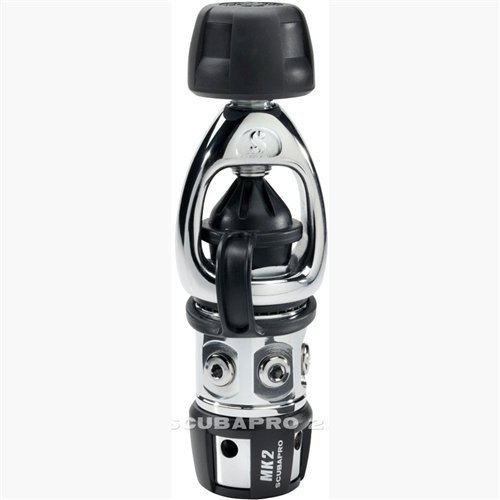
SCUBAPRO MK2 EVO First Stage Regulator
For divers who want a closer look at how second stages fit with a first stage, Scuba Regulator 1st and 2nd Stage: How They Work and How to Choose (2026) gives a helpful overview of matching the two halves of a regulator set.
FAQ
What does a first stage scuba regulator do?
It reduces high tank pressure, often around 3,000 psi when full, to an intermediate pressure of roughly 130 to 150 psi above ambient water pressure. That reduced pressure is delivered to the second stage and other low-pressure devices. Manufacturer specifications set the exact intermediate pressure range.
Can I use any first stage with any tank?
No. The first stage must match the tank valve type (DIN or yoke) and the cylinder’s rated working pressure. Using a mismatched connection is unsafe. Have a qualified dive shop confirm compatibility if you are unsure.
How many ports do I need on a first stage?
Most recreational setups use a primary second stage, an alternate air source, a BCD inflator, and a gauge, which can be met with a four- or five-port first stage. Divers adding a drysuit inflator or a pony bottle may need more ports. Count your devices before buying.
Is a brass first stage better than a chrome or composite one?
Brass is durable and common, and chrome plating protects the surface. Performance depends more on the internal design, seals, and servicing than on the outer finish. Compare the valve type, pressure rating, and balance design first.
How often should a first stage be serviced?
Follow the manufacturer’s schedule, which is commonly annual for recreational use, and service sooner after saltwater exposure or any change in performance. Only a qualified technician should open or adjust the internal components. This is general guidance; consult a professional dive technician for your specific equipment.
What is the difference between a first stage and a second stage?
The first stage handles high pressure from the tank and reduces it. The second stage is the mouthpiece assembly that delivers air to you on demand at ambient pressure. Both are needed for a working regulator set.
Why does my breathing change near the end of a dive?
In an unbalanced first stage, intermediate pressure rises as tank pressure falls, which can make breathing feel different. This is normal for that design. If the change feels sudden or severe, end the dive safely and have the equipment inspected by a professional.
Final Verdict
A dependable brass first stage for standard recreational setups
The chrome plated brass, 5-port first stage regulator is a sensible choice for recreational divers who want a durable body, enough ports for a typical configuration, and compatibility with standard tanks. Its main gaps are missing published specifications for valve type, pressure rating, and balance, so verify those details before buying. Divers who need technical-grade performance or cold-water ratings should compare the alternatives above. For the full listing and current details, see View on Amazon.
Related reading
- First Stage Scuba Regulator for Sale: 5 Factors to Check Before You Buy (2026)
- Scuba Stage 1 Regulator: How It Works and How to Choose One (2026)
About Lauren Holland
Lauren Holland is part of our editorial team and reviews and edits our scuba gear for women guides, checking product details against manufacturer specifications and owner feedback.
About the author
Lauren Holland writes reviews and buying guides for Scuba Women.