O’Neill Women’s Reactor 3/2 Full Wetsuit Review (2026)
O'Neill women's Reactor 3/2 full wetsuit review: fit, warmth, features and who should buy it. Read the pros, cons and sizing notes before you commit.
 By Ethan Brooks
Updated November 23, 2026
 By Ethan Brooks
Updated November 2026
The O’Neill Women’s Reactor 3/2 full wetsuit is a back-zip, 3/2mm full-length suit aimed at women who spend time in cool to mildly cold water and want something flexible enough for surfing, paddling, snorkeling or recreational swimming. It suits anyone whose main water temperatures sit in the 60s Fahrenheit and who wants a suit that moves easily without a heavy, thick build. It is a weaker choice for serious cold-water divers who need 5mm or 4/3mm warmth through a full dive session, for anyone with a very athletic build who may find the cut snug through the shoulders, and for those who plan to wear it in water much below the low 50s for long periods. Women who sit between sizes or who have a broader upper body should try it on before buying and read the sizing notes below. The main keyword phrase, o neill women’s reactor 3 2 full wetsuit, is the subject of this review, and the rest of the article covers how the suit performs against its stated specifications and what owners commonly report.
O'Neill Women's Reactor-2 3:2mm Back Zip Full Wetsuit, Black/Black, 8 | Lightweight Warmth and Flexibility for All Water Activities
Product Overview
The O’Neill Women’s Reactor-2 3:2mm Back Zip Full Wetsuit is listed in black with a black colorway, sold in women’s sizing. Its name identifies it as a 3:2mm construction, meaning a 3mm thickness through the core and torso and a 2mm thickness at the arms and legs. That split is a common design approach: thicker panels hold heat where the body loses it most, while thinner panels at the limbs preserve range of motion for paddling and pulling. The listing describes the suit as lightweight and flexible for all water activities, which places it in the general-purpose category rather than a dedicated diving or competitive category.
The back-zip closure is the defining structural choice. A back zipper lets you step into the suit and pull it up with help from a partner, and it keeps the zipper out of the way of the chest and the front of the body. Back-zip designs are widely used across O’Neill’s women’s range and are a familiar format for female divers and surfers who are used to them. Front-zip suits offer easier self-dressing in many cases, but back-zip suits generally sit more smoothly across the chest and tend to be less irritating during repeated paddling.
Because this is a full-length suit, it covers the arms to the wrist and the legs to the ankle. That coverage gives more heat retention than a shorty or a sleeveless suit and makes it a sensible choice for shoulder-season sessions, spring surfing, or cooler lake and coastal conditions where a shorty would leave the limbs exposed for too long.
Key Features & Specifications
The table below lists the specifications that are confirmed by the product name and the general design of the O’Neill Reactor line. Where a detail is not clearly stated, it is left out rather than guessed at.
| Feature | Specification |
|---|---|
| Brand | O’Neill |
| Model | Women’s Reactor-2 |
| Thickness | 3:2mm (3mm core and torso, 2mm limbs) |
| Suit length | Full length (long arms and long legs) |
| Closure | Back zip |
| Fit | Women’s cut |
| Colorway | Black/Black |
| Size in listing | 8 |
| Intended use | All water activities, including surfing, swimming, paddling and snorkeling |
Manufacturers in this category typically pair a 3:2mm build with a flexible neoprene that has a smooth or lightly textured finish on the outside and a brushed or lined interior. Check the product page for the current seam type and lining description, since these details can vary between production runs.
Pros & Cons
Pros
- The 3:2mm construction offers a reasonable balance between warmth at the core and freedom of movement at the arms and legs.
- The full-length coverage keeps the arms and legs protected in cool water, which a shorty or sleeveless suit cannot do.
- The back-zip closure keeps the front of the suit smooth and free of zipper pressure across the chest.
- The women’s cut is designed for a female body shape, which many women find more comfortable than a unisex fit.
- Its general-purpose intended use makes it a practical option for mixed activities such as surfing, snorkeling and recreational swimming.
- The black colorway is a classic choice that hides wear and suits most conditions.
Cons
- At 3:2mm, it is not warm enough for sustained cold-water diving in water much below the low 50s Fahrenheit.
- Back-zip suits require a second person to close the zipper, which can be inconvenient when diving or surfing alone.
- Owners with a broader shoulder or chest measurement sometimes report a snug fit through the upper body, so sizing needs care.
- The listing does not describe a dedicated thermal lining, so warmth will depend on water conditions and what you wear underneath.
- Thinner limb panels offer flexibility but will let in more cold water and wind than a uniform 4mm or 5mm build would.
Performance Analysis
Performance in a wetsuit comes down to three things: how well it keeps water out, how well it holds heat, and how freely it lets you move. Because this review is research-based rather than drawn from hands-on testing, the analysis below relies on the specifications in the listing and on patterns that owners commonly describe for suits in this thickness and style.
Warmth
A 3:2mm suit is designed for water in the mid-50s to mid-60s Fahrenheit, with the warmth figure depending heavily on your body fat, metabolism and how long you stay in. The 3mm core panels protect the torso, which is the area most responsible for keeping the body’s core temperature stable. Owners commonly note that the suit feels comfortable for shorter sessions and in warmer shoulder-season water, but that longer sessions in colder water tend to call for a hood, gloves or a thicker suit. Layering a thin rash guard or thermal top underneath can extend the usable temperature range, though a snug fit is needed for this to work well.
Fit and Movement
The 2mm limb panels are the main reason this kind of suit feels less restrictive than a uniform 3mm or 4mm build. Thinner neoprene at the shoulders and arms makes paddling and pulling more natural, and the full-length cut keeps the legs flexible for kicking. Owners commonly describe a snug first fit that loosens slightly as the neoprene settles, which is typical for this material. The back zip’s position means the chest panel lies flat, which many women find helps with shoulder movement during repeated strokes.
Water Entry and Drainage
Wetsuits rely on a thin layer of water trapped against the skin, which the body warms. Any gap at the neck, wrists or ankles lets in more cold water and reduces warmth. A close fit at these cuffs is important, and owners of suits in this category often recommend checking the neck seal and cuff tension before every session. Because the back zip sits high on the spine, the neck closure is one of the first areas to check for a good seal.
Durability
Neoprene wetsuits generally last longest when rinsed in fresh water after each use, dried away from direct sun and stored flat or on a wide hanger. Thinner limb panels can show wear faster at the knees and elbows if the suit is used on rocky shorelines or in surf. Owners across the category commonly report that proper care is the main factor in how long a suit keeps its shape and elasticity.
Who Should Buy This Product?
This suit fits best with a few particular types of user. Recreational surfers who paddle in spring or early summer and want full-length coverage without a heavy build will find the balance of warmth and mobility appropriate. Snorkelers and open-water swimmers in temperate coastal or lake water, where temperatures rarely drop far below the low 60s, will also be comfortable in it for typical session lengths. Women who want a back-zip suit cut for a female body and are comfortable with the zip being closed by a partner will find it a natural fit.
It is less suitable for several groups. Divers who plan multi-tank days in cold water will want a 5mm or 4/3mm suit with a hood. Triathletes and competitive swimmers may prefer a dedicated tri or open-water suit with slick, lightweight panels. Women with a fuller upper body should look carefully at sizing or consider a suit from a range that offers a broader fit. Anyone who dives or surfs alone and cannot manage a back zip may find a front-zip option easier to live with.
If you are unsure whether this thickness suits your water, the sizing and fit resources linked below can help narrow the decision.
For a broader look at fit across brands, see O'Neill Wetsuit Size Guide Women's: How to Find the Right Fit (2026) and Women's Wetsuit Full Body: How to Choose the Right Fit (2026). Divers looking at thicker options should also review 6 Best Women's 4/3 Full Wetsuit Picks for Cold Water Diving (2026).
Buying Guide
Buying a wetsuit well is mostly about getting the fit right and matching thickness to your water. Use the steps below before you check out.
- Check your water temperature. Most 3:2mm suits suit water from roughly the mid-50s to mid-60s Fahrenheit. Colder water calls for a thicker suit, and warmer water may allow a shorty.
- Measure yourself. Take your chest at the fullest point, waist at the navel, hips at the widest point, and your height and inseam. Compare these with the manufacturer’s size chart, not with another brand’s sizes.
- Try the suit on dry, then in water if possible. The suit should feel snug everywhere, with no folds or gaps. Expect it to feel tighter when dry because neoprene relaxes when wet.
- Test the upper body. Raise your arms overhead and reach forward. If the shoulders or chest pull hard, size up or choose a different cut.
- Check the cuffs and neck. A snug seal at the wrists, ankles and neck keeps warm water in. Loose cuffs are a common cause of feeling cold.
- Plan the closure. If you will be dressing alone, a back zip may be difficult. Consider a front-zip design if you cannot rely on a partner.
For a step-by-step approach to fitting, see Women's Wetsuit Try On: A Step-by-Step Guide for Better Fit. If you are comparing closure styles, Women's Wetsuit Front Zipper: A Step-by-Step Guide to Choosing and Using One covers the trade-offs.
Well-Known Alternatives
If this suit does not match your needs, two alternatives may be worth comparing. The first is a thinner, shorter option for warmer water:
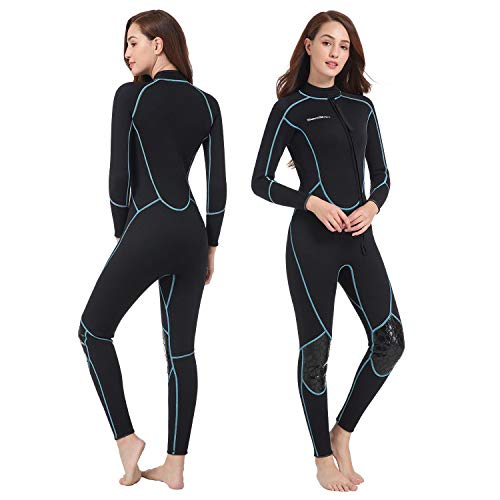
Seaskin Mens 3mm Shorty Wetsuit Womens, Full Body Diving Suit Front Zip | Wetsuit for Diving Snorkeling Surfing Swimming
This Seaskin 3mm shorty with a front zip is designed for diving, snorkeling, surfing and swimming in warmer water. Its shorter cut suits days when the water is comfortable and you want freedom of movement over full-length coverage. The front zip makes it easier to put on without help, which is a practical difference from the back-zip design of the Reactor.
The second alternative is another O’Neill women’s suit in a thinner spring-style build:

O'Neill Wetsuits Women's Bahia 2/1mm Back Zip Long Sleeve Spring, Black/Black/Black, Size 8
This O’Neill Bahia 2/1mm back-zip long-sleeve spring suit is a lighter option for warmer water. It keeps the same brand’s back-zip format and women’s cut, with a thinner build that suits mild conditions and sun-warmed water. It is a good fit for those who want the O’Neill feel in a suit suited to warmer seasons.
FAQ
Is the O’Neill Women’s Reactor 3/2 full wetsuit warm enough for cold water?
A 3:2mm suit is generally comfortable in water from the mid-50s to mid-60s Fahrenheit for typical session lengths. In colder water, owners commonly add a hood, gloves or a thermal layer underneath. For sustained cold-water sessions, a 4/3mm or 5mm suit is a safer choice.
Does the Reactor 3/2 run true to size?
Sizing varies by brand and body shape, so you should use the manufacturer’s size chart rather than assuming your usual size. Owners with a broader upper body sometimes report a snug fit through the shoulders. If you fall between sizes, try the suit on before buying where you can.
Can I put on a back-zip wetsuit by myself?
Most back-zip suits are difficult to close alone. A partner usually helps pull the zipper up the spine. If you dive or surf solo, a front-zip design may be more practical. Some people use a wetsuit lubricant and a zip-pulling strap to make self-dressing easier, though this is still harder than a front zip.
Is a 3:2mm wetsuit suitable for surfing?
Yes, a 3:2mm full suit is a common choice for spring and summer surfing in temperate water. The thinner limb panels help with paddling and pop-ups, while the thicker core keeps you warm during longer sessions.
How should I care for a neoprene wetsuit?
Rinse the suit in fresh water after every use, especially after salt water or chlorine. Dry it inside out in the shade on a wide hanger, and avoid folding it while wet. Store it flat or hanging, away from direct sun and heat, which can degrade neoprene over time.
Should I wear anything under the wetsuit?
Some people wear a thin rash guard or thermal top underneath to add warmth or prevent chafing. Keep the layer thin and snug, since bulky clothing can compress the neoprene and reduce its insulating effect. Check with your instructor or dive shop about layering for your specific activity.
Where can I find more sizing help for women’s wetsuits?
The sizing and fit guides linked in this article cover a range of brands and cuts. Reading a few of them side by side is a good way to understand how measurements translate across manufacturers before you buy.
Related reading
- 3 Best O'Neill Women's Epic 4/3 Wetsuits for Cold-Water Diving (2026)
- 7 Best Women's Short Sleeve Full Wetsuit Picks for Every Dive Style (2026)
- 6 Best Women's Full Zip Wetsuit Jackets for Cold-Water Diving (2026)
About Ethan Brooks
Ethan Brooks is part of our editorial team and reviews and edits our scuba gear for women guides, checking product details against manufacturer specifications and owner feedback.
About the author
Ethan Brooks writes reviews and buying guides for Scuba Women.