Aqualung Women’s 3mm Hydroflex Wetsuit Review: Is It Worth It?
Thinking about the aqualung women's 3mm hydroflex wetsuit? See who it suits, key features, pros and cons, and how it compares to alternatives before you buy.
 By Ethan Brooks
Updated November 23, 2026
 By Ethan Brooks
Updated November 2026
The aqualung women’s 3mm hydroflex wetsuit is a full-length suit aimed at women who dive in warm to mild water and want a flexible, abrasion-resistant suit with knee protection. It suits recreational divers, students in tropical or temperate-warm conditions, and anyone who spends a lot of time kneeling on boat decks or reef edges. It is less suitable for cold-water divers who need the extra insulation of 5mm or 7mm neoprene, for women who prefer a sleeveless or shorty cut, or for anyone who has not yet confirmed their fit using the brand’s size chart. Read on for the specifications, the trade-offs, and how this model compares with two other Aqualung options.
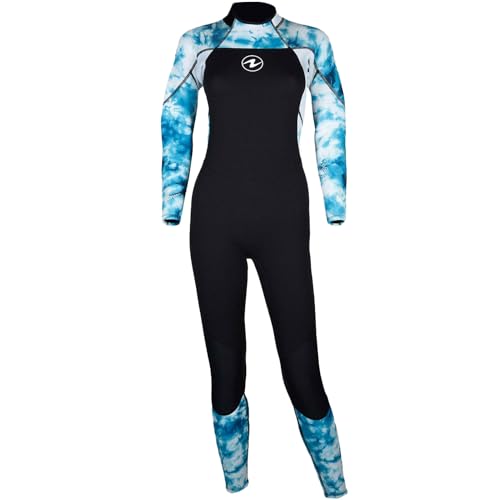
AQUALUNG Women's Hydroflex 3mm Dive Wetsuit – Durable Abrasion-Resistant Super-Stretch Neoprene Jumpsuit with Protective Kneepads for Warm Water Diving, Black Print Light Blue, Medium
Product Overview
This is the women’s Hydroflex 3mm dive wetsuit from Aqualung, sold as a one-piece jumpsuit in a black print with light blue accents. The listing identifies it as built from super-stretch neoprene with abrasion-resistant panels and protective kneepads, and as intended for warm-water diving. The size listed on this page is Medium. Because the product is positioned for warm water, its thickness is a deliberate choice: 3mm is enough to take the edge off a cool sea or a cooler morning, but it is not designed to keep you comfortable through long dives in water much below the upper 60s°F (around 20°C).
The Hydroflex line is one of Aqualung’s entry and mid-range neoprene families, and the women’s version uses a cut meant to follow a female body shape rather than a unisex pattern. Owners frequently mention that the suit feels closer to the body than a generic cut, but they also tend to advise trying the suit on before committing, since neoprene fit is highly individual. The model is a jumpsuit, so the torso and legs are joined, which limits water exchange and helps retain warmth around the core.
Key Features & Specifications
The table below lists only the details that are stated in the product name or that are well established for this model family. Where a specification is not confirmed, it has been left out rather than estimated.
| Feature | Detail |
|---|---|
| Product type | Women’s full-length dive wetsuit (jumpsuit) |
| Thickness | 3mm |
| Material | Super-stretch neoprene |
| Abrasion resistance | Abrasion-resistant construction |
| Knee protection | Protective kneepads |
| Intended use | Warm-water diving |
| Color | Black print with light blue |
| Size on listing | Medium |
Manufacturers in this category typically publish a size chart keyed to height and weight, and Aqualung’s women’s charts are usually the first place to check before ordering. Confirm your measurements against the chart rather than relying on your usual street size, because neoprene has little give in the sizing sense: it stretches, but a suit that is too small will restrict breathing and a suit that is too large will let water circulate freely. The guide to Women’s Scuba Wetsuit 3mm: How to Choose the Right Fit (Women’s Guide, 2026) walks through how to measure and interpret these charts.
Pros & Cons
Pros
- Stretch neoprene makes it easier to pull on and move in than stiffer, thicker suits.
- Abrasion-resistant construction is useful for divers who kneel on wrecks, boat ladders, or sandy reef edges.
- Built-in kneepads protect the joints and reduce wear on the suit at the most common contact point.
- The 3mm thickness suits warm-water conditions without the bulk and buoyancy change of a thicker suit.
- A full jumpsuit cut limits water flushing at the torso, which helps warmth in mild conditions.
Cons
- 3mm offers limited insulation, so it is not suitable for cold or temperate-cold dives.
- Fit is sensitive: buyers between sizes or with unusual proportions may need to try a different size or a different Aqualung cut.
- The listing does not confirm a back zipper or front zipper style, so buyers who need a specific closure should check the product page before ordering.
- As a jumpsuit, it is less flexible for divers who want to mix and match tops and bottoms for changing conditions.
- Neoprene suits generally need careful rinsing and drying to hold their shape over time.
Performance Analysis
Performance in a wetsuit comes down to three things: how well it keeps water out, how well it keeps heat in, and how freely it lets you move. This model is built for the warm-water end of the spectrum, so its performance should be judged against that goal. Owner feedback on suits in this category commonly centers on fit and comfort rather than warmth, which is consistent with a 3mm warm-water suit being a comfort-first product. Reports often note that the stretch neoprene is easy to pull on and that the suit moves well during kicking, bending and kneeling.
Warmth is where expectations need to be set carefully. A 3mm suit reduces heat loss in water in the upper 60s to low 80s°F, and many divers find it comfortable through a single dive in that range. In cooler water, or on multiple dives in a day, most divers layer a rash guard or add a thicker suit. Abrasion resistance and kneepads are most useful in practical terms: they extend the life of the suit where it meets rock, coral and boat decks, and they protect the knees during long kneeling on a dive platform. Owners who dive regularly in rocky entries tend to describe these features as the reason they chose the model over a plain 3mm suit.
Durability in neoprene depends heavily on care. Rinsing in fresh water after every dive, drying in the shade, and hanging the suit on a wide hanger rather than a thin wire one all help preserve the material. Stretch neoprene is also more prone to losing shape if left wet and compressed, so a suit that is stored properly will generally perform more consistently across seasons.
Who Should Buy This Product?
This suit suits women who dive primarily in warm water, such as tropical reefs, warm lagoons, or summer conditions in mild regions. It is a good fit for recreational divers who value easy movement and want kneepads for kneeling on boats and reef edges. Divers who already own a larger or more heavily insulated suit for cold water may also want this as a lighter option for warm-weather trips.
You should skip this model if you dive in cold or temperate-cold water, where 5mm or 7mm neoprene is safer and more comfortable. It is also a poor choice if you need a sleeveless, shorty, or two-piece configuration, or if you have not been able to confirm your size against the brand’s chart. Divers who want a zipper style suited to their own preference should verify the closure before buying, since the listing does not confirm it.
Buying Guide
Before buying any women’s 3mm wetsuit, start with the water temperature you expect to dive in most often. A 3mm suit is comfortable for many divers in warm water but may leave you chilly in conditions that feel only moderately cool. If your typical dives are in the 60s°F or colder, consider a thicker suit or a combination of a 3mm suit and a rash guard for extra warmth.
- Measure yourself. Take chest, waist, hip, and inseam measurements, then compare them to the manufacturer’s chart rather than your everyday clothing size.
- Check the cut. Women’s cuts are shaped for typical female proportions, which can make a noticeable difference in torso length and hip room.
- Test the fit in the water if you can. A suit should feel snug without restricting breathing or chest expansion. Some dive shops allow trial fittings.
- Confirm the closure. Check whether the suit uses a front or back zipper, and make sure it suits how you plan to put it on and take it off.
- Plan your layers. If you dive in changing conditions, decide whether you will add a rash guard or a thicker suit for cooler trips.
If this model does not suit your needs, two well-known alternatives from the same brand are worth considering. The first is an Aqua Lung HydroFlex shorty, which covers the torso and upper legs for divers who want less coverage in warm water:

Aqua Lung HydroFlex 3mm Shorty Wetsuit – Women – Camo Blue – Medium
The second is the Aqualung Women’s Aquaflex full suit in 3mm, which uses four-way stretch neoprene and a semi-dry back zipper for divers who want a full-length suit with a different closure style:

Aqualung Women's Aquaflex Dive Wetsuit – 4-Way Stretch Neoprene Full Suit w/Semi-Dry Back Zipper & Powertex Knee Protection, Black/Light Gray, Large, 3mm
For a broader comparison of cut and fit across brands, the article Women’s Wetsuit Full Body: How to Choose the Right Fit (2026) covers how to match a full-length suit to your build. You may also find Aqualung Women’s Wetsuit Size Chart: Which Fit Guide Should You Use? useful before ordering.
FAQ
Is a 3mm wetsuit warm enough for diving?
A 3mm suit is generally suited to warm water, often in the upper 60s°F and above. In cooler water, most divers add a rash guard or choose a thicker suit. Water temperature, dive duration and your personal circulation all affect comfort, so judge warmth on your own typical dives.
How should a women’s 3mm wetsuit fit?
It should feel snug across the chest and shoulders, allow full breathing, and let you bend and kneel without the suit pulling tight. Some looseness is normal in neoprene, but excess water movement inside the suit reduces warmth. Use the manufacturer’s size chart and, if possible, try the suit on before you dive.
Are the kneepads useful?
Protective kneepads help when you kneel on boat decks, dive platforms, sand, or rocky entries. They also reduce wear on the suit at the knee, which is one of the most common points of abrasion.
How do I care for neoprene to make it last?
Rinse the suit in fresh water after every dive, avoid harsh detergents, dry it in the shade on a wide hanger, and store it flat or loosely folded rather than compressed when wet. These steps help the neoprene keep its stretch and shape longer.
Can I use this suit for cold-water diving?
Not comfortably. A 3mm suit is designed for warm water. For cold or temperate-cold dives, a thicker suit such as a 5mm or 7mm model will be far more appropriate. If you are unsure about the conditions you will face, consult a dive professional or your dive shop before choosing your exposure protection.
How do I know if I need a different size?
If the suit compresses your chest so you struggle to breathe, or if it feels loose enough that water circulates freely at the torso, you likely need a different size. Recheck your measurements against the chart. Owners often recommend sizing by measurements rather than by habit.
Is a full jumpsuit better than a shorty?
A full suit offers more coverage and typically retains more warmth around the torso and legs. A shorty gives more freedom in very warm water and is often preferred in tropical conditions. The better choice depends on your water temperature, comfort preferences and dive style.
Final Verdict
Who should buy it
The aqualung women’s 3mm hydroflex wetsuit is a sensible choice for women who dive in warm water and want a flexible, full-length suit with abrasion resistance and kneepad protection. It is less suitable for cold water, for sleeveless or two-piece preferences, or for anyone who cannot confirm their fit. Compare the sizing carefully, plan for layers if conditions vary, and read the care instructions to get the most life from the material.
View on AmazonRelated reading
- Women's Scuba Wetsuit 3mm: How to Choose the Right Fit (Women's Guide, 2026)
- Henderson 3mm Wetsuit Women's: Fit, Sizing and Buying Tips (2026)
- Aqualung Women's Wetsuit Size Chart: Which Fit Guide Should You Use?
- 6 Best Women's Epic 4/3mm Back Zip Full Wetsuits of 2026
- 5 Best 4 3mm Women's Wetsuits for Cold-Water Diving (2026)
- 3mm Wetsuit Women's Diving: A Fit and Buying Guide for Cold-Water Divers
About Ethan Brooks
Ethan Brooks is part of our editorial team and reviews and edits our scuba gear for women guides, checking product details against manufacturer specifications and owner feedback.
About the author
Ethan Brooks writes reviews and buying guides for Scuba Women.