Body Glove Wetsuit Women’s (2026): Pros, Cons & Verdict
Body Glove women's wetsuit review: the Pro 3 spring suit's features, specs, pros and cons, who it suits, and what to check before you buy one.
 By Ethan Brooks
Updated November 22, 2026
 By Ethan Brooks
Updated November 2026
The body glove women’s wetsuit lineup includes several models, and the Body Glove Women’s Pro 3 Spring Wetsuit in 13/14 mm is one of the more recognizable entries for women who want a simple, warm-water-oriented suit with a traditional fit. This review looks at the product from a research standpoint: the listing details, the construction categories it falls into, and the patterns owners tend to describe. It is aimed at women deciding whether this suit fits their dive or water-sports plans, and whether it is worth shortlisting against other options.
Who should buy: Women who mostly dive or snorkel in warm water, want a spring-style suit that is easy to layer, and have measurements that land cleanly in Body Glove’s size range. It also suits buyers who prefer a familiar brand with broad availability.
Who should skip: Women diving in cold or temperate water who need full thermal protection, anyone with a bust, hip or shoulder measurement that falls between sizes, and divers who want a precise, custom-tailored feel. Shoppers with a tight budget for specialized gear may also want to compare the alternatives covered below before committing.
Body Glove Women's Pro 3 Spring Wetsuit, 13/14 mm
Product Overview
The Body Glove Women’s Pro 3 Spring Wetsuit is a women’s-cut suit designed around the spring style, which generally means a shorter leg and sleeve cut than a full suit. Spring suits are typically chosen for warm conditions where core protection and sun or abrasion coverage matter more than maximum insulation. The 13/14 mm designation in the listing name refers to the thickness rating given for the suit’s neoprene sections, and the Pro 3 name places it within Body Glove’s performance line.
Body Glove has a long history in water sports, and the women’s Pro 3 is positioned as an accessible option for recreational divers, snorkelers and occasional surfers. Because it is a spring-cut design, buyers should expect less coverage at the wrists, ankles and shoulders than they would get from a full suit. That tradeoff is intentional: less neoprene means more freedom of movement and easier pulling on and off, which many recreational users prioritize.
Before purchasing, check the current size chart on the listing page, since sizing across brands varies and women’s cuts are not interchangeable with unisex sizing. For a broader look at how thickness and cut interact with water temperature, see Women's Scuba Wetsuit 3mm: How to Choose the Right Fit (Women's Guide, 2026) and Women's Springsuit Wetsuit 2mm: How to Choose the Right Fit and Warmth.
Key Features & Specifications
The table below lists only the specifications that are clearly stated in the product name or are standard for this model category. Confirm any details against the current listing before ordering, since manufacturers occasionally revise materials and labeling.
| Feature | Details |
|---|---|
| Brand | Body Glove |
| Product line | Pro 3 |
| Suit type | Spring wetsuit (women’s cut) |
| Thickness rating | 13/14 mm (as stated in listing name) |
| Intended use | Recreational diving, snorkeling, water sports in warm conditions |
| Fit category | Women’s-specific pattern |
| Sizing | Follow manufacturer’s women’s size chart; measure bust, waist and hips |
Because spring suits use a shorter cut, the practical difference from a full suit is coverage: expect bare forearms, lower legs and sometimes shoulders. Thickness ratings on some suits use a two-number format, and the 13/14 mm label indicates a range that can vary by panel, so ask the seller or check the product tag if you need an exact figure for a specific area of the body.
Pros & Cons
Pros
- Women’s-specific cut, which generally fits female body proportions better than unisex sizing.
- Spring style allows easier pulling on and off and more freedom through the shoulders and hips.
- Suitable for warm-water diving, snorkeling and general water recreation.
- Body Glove is a widely recognized name, which makes replacement parts and sizing guidance easier to find.
- Generally lighter and less restrictive than a full suit, which many recreational users find comfortable for longer sessions.
Cons
- Limited coverage at the wrists, ankles and shoulders compared with a full suit.
- Not appropriate for cold or temperate water where full-body thermal protection is needed.
- Sizing can be tricky for women whose measurements fall between size points; owners often recommend measuring carefully before ordering.
- Spring suits generally offer less warmth retention than full suits of comparable thickness.
Performance Analysis
Performance for any wetsuit comes down to three things: how well it keeps water out, how much warmth it retains, and how freely you can move. For a spring-cut suit, the first two depend heavily on fit. A suit that is too loose lets water flush through the neck, arms and legs, which strips heat quickly. A suit that is too tight restricts breathing and reduces comfort on long dives, and it can make the neoprene feel thinner than its rating because it compresses under strain.
Owner feedback patterns for spring-style women’s suits generally cluster around a few themes. Many report that the suit is comfortable and easy to move in during warm-water use, particularly for snorkeling and recreational dives where constant motion is not required. Others note that the cut suits their intended conditions well but that they would want a full suit for cooler trips. Sizing complaints tend to appear most often among buyers who ordered based on standard clothing sizes rather than measuring against the brand’s chart, which reinforces the value of checking measurements first.
Warmth in a 13/14 mm rated spring suit will depend on water temperature, exposure time and how well the fit seals. In warm water, the suit is mainly about protection and comfort rather than insulation. For a clearer view of how fit affects warmth and comfort in practice, read Women's Wetsuit Try On: A Step-by-Step Guide for Better Fit before committing to any size.
Who Should Buy This Product?
This suit makes the most sense for a specific group of women. Recreational divers who spend most of their time in tropical or warm subtropical water, and who want an easy-to-wear suit that does not restrict movement, are the core audience. Snorkelers and casual swimmers in open water who want sun and scrape protection without the bulk of a full suit may also find it a good match. First-time wetsuit buyers who have already confirmed their measurements against the brand chart can use it as an entry point.
Women who dive in cold water, who need maximum warmth for long surface intervals, or who have hard-to-fit proportions should look elsewhere. A full suit or a thicker, more fitted model will serve them better. If you are unsure which cut matches your plans, Women's Semi Dry Wetsuit: A Step-by-Step Guide to Fit and Warmth explains how different construction styles change the experience.
Buying Guide
Before buying any women’s wetsuit, work through these steps in order.
- Measure your body. Take bust, waist, hip, inseam and height measurements. Compare them against the brand’s women’s chart rather than your everyday clothing size.
- Match the cut to your water. Spring for warm water, a full suit for cooler water, and a shorty or sleeveless option for specialty warm-weather use.
- Check thickness against conditions. Thicker neoprene retains more warmth but reduces flexibility. Balance the two based on your typical water temperature.
- Test the fit mentally. Shoulders should move without the suit pulling tight across the chest, and the zipper or closure should lie flat without digging into the skin.
- Plan for layering. If you dive with a rash guard or thin base layer, consider whether the suit’s interior still feels comfortable with that layer underneath.
If the Pro 3 does not match your plans, two well-known alternatives are worth comparing. The first is the Body Glove Pro3 Women’s Full Suit 3/2mm, which offers full-body coverage and suits cooler conditions than a spring cut.
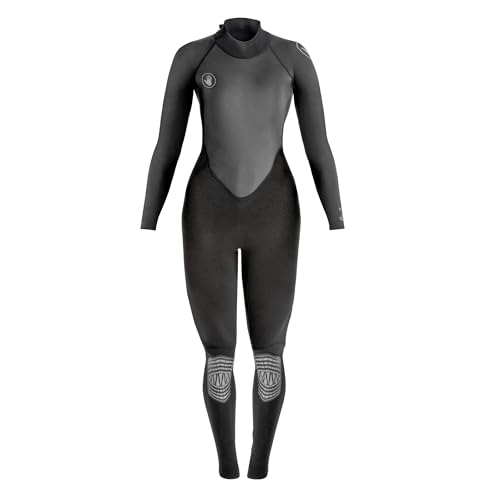
Body Glove Pro3 Women's Full Suit 3/2mm Black Back Zip Quadra Flex 4 Way Stretch Thermal Lightweight Performance for Surfing, Bodyboarding, Swimming, Snorkeling, and Scuba Diving (3/4)
The second is the O’Neill Women’s Reactor-2 3:2mm Back Zip Full Wetsuit, a full-length option that suits buyers wanting a lighter, flexible suit for a range of water activities.

O'Neill Women's Reactor-2 3:2mm Back Zip Full Wetsuit, Black/Black, 16 | Lightweight Warmth and Flexibility for All Water Activities
For a broader comparison of cuts and brands, see Women's Swimming Wetsuit Sale: 5 Best Picks for Pool and Open Water and Women's Scuba Wetsuit 3mm: How to Choose the Right Fit (Women's Guide, 2026). Anyone with a medical condition affecting temperature regulation or circulation should consult a physician or dive professional before choosing a suit.
FAQ
Is the Body Glove Women’s Pro 3 a good wetsuit for beginners?
It can be, provided the buyer confirms the size chart measurements and dives in warm water. Its spring cut is easy to put on and move in, which helps newer divers focus on buoyancy and technique. Beginners in cooler water should choose a full suit instead.
What water temperature is the 13/14 mm spring suit suited for?
Spring suits are generally recommended for warm water where core protection is the main goal. Exact comfort depends on the individual, exposure time and fit, so check your local conditions and consider a thicker full suit for cooler sites.
How should I size a Body Glove women’s wetsuit?
Measure bust, waist and hips and compare them to the brand’s women’s chart. Do not rely on your standard clothing size. If you fall between two sizes, owners often suggest reviewing the chart notes on fit and cut before choosing.
Can I wear a rash guard under this suit?
Many divers layer a thin rash guard under a spring suit for extra protection or warmth. Test the combination at home first to make sure the suit still moves comfortably and does not feel bunched at the shoulders.
Is a spring suit warm enough for snorkeling?
For warm tropical snorkeling, a spring suit is usually sufficient for sun and scrape protection. In cooler water, snorkelers often find a full suit more comfortable because of longer surface time.
How do I care for a women’s wetsuit?
Rinse with fresh water after every use, avoid direct sun while drying, and store the suit flat or on a wide hanger. Neoprene breaks down faster when exposed to heat and chlorine, so rinse thoroughly after pool or salt-water sessions.
Should I see a professional before buying?
If you have a condition affecting circulation, temperature regulation or breathing, or if you are unsure which thickness suits your diving, speak with a qualified dive instructor or medical professional before purchasing.
Final Verdict
The Body Glove Women’s Pro 3 Spring Wetsuit in 13/14 mm is a reasonable choice for women who dive or snorkel in warm water and want a comfortable, easy-to-move suit with a women’s cut. Its main strengths are fit-oriented design and freedom of movement. Its limits are coverage and warmth in cooler conditions. Measure carefully against the brand chart, match the suit to your typical water temperature, and compare it with the full-suit alternatives above before deciding.
View on AmazonAbout Ethan Brooks
Ethan Brooks is part of our editorial team and reviews and edits our scuba gear for women guides, checking product details against manufacturer specifications and owner feedback.
About the author
Ethan Brooks writes reviews and buying guides for Scuba Women.