Nrs 3 0 Ultra Jane Wetsuit Women’s (2026): Pros, Cons & Verdict
Reviewing the NRS 3.0 Ultra Jane wetsuit for women: fit, features, warmth and who should buy it, plus alternatives to compare before you choose.
 By Ethan Brooks
Updated November 23, 2026
 By Ethan Brooks
Updated November 2026
The nrs 3 0 ultra jane wetsuit women’s is a women’s-cut wetsuit from NRS, aimed at paddlers, river and open-water users and recreational divers who want a flexible, mid-range suit with a fit designed around female proportions. It suits women with a fuller bust, a narrower waist and hips that need room without a baggy seat, and it works well for people who spend long sessions in mild to cool water. Skip it if you need a true cold-water suit for water temperatures in the 40s Fahrenheit, if your build is far outside the standard women’s size range, or if you want a sleeveless or shorty cut for warm-water diving. Before buying, check your measurements against the manufacturer chart rather than relying on your usual clothing size.
NRS Women's 3.0 Ultra Jane Wetsuit-Slate-XS
Product Overview
The NRS Women’s 3.0 Ultra Jane is part of NRS’s women’s line of neoprene wetsuits. The “Ultra” designation in the product name points to a higher-end construction tier within the 3.0 family, while “Jane” indicates the women’s pattern. The listing identifies the color as Slate and the size tested in the listing title as XS, which is a useful starting point for sizing but not a substitute for checking the full chart.
Wetsuits in this category are generally made from closed-cell neoprene, sometimes with a smooth or lightly textured outer skin and a brushed or smooth interior. The main job of the suit is to trap a thin layer of water against the skin, which your body then warms. Thickness, seam construction and cut all change how well that works, so it matters which specific build you are buying. If you are new to wetsuits, the broader guide to women’s wetsuit fit basics explains how thickness, cut and seam type interact before you compare models.
NRS has long sold paddling and whitewater gear, and its women’s suits tend to be built for movement and repeated wear rather than for maximum thermal insulation alone. That background shapes what you should expect: a suit intended for active use on the water, with attention to shoulder mobility and comfort during long sessions.
For readers who want to see how this suit compares with NRS’s other women’s options, the NRS Women’s Ultra Jane Wetsuit: Fit, Sizing and Buying Tips (2026) guide covers the same product family in more depth, and Women's Farmer Jane Wetsuit: Fit, Sizing and Buying Tips (2026) looks at the Farmer Jane cut that many buyers compare against it.
Key Features & Specifications
The table below lists only details that are either stated in the product name or are well established for this model family. Where I am not certain of a specific figure, I have left it out rather than guess. Confirm thickness and seam type on the product page before ordering.
| Feature | Details |
|---|---|
| Brand | NRS |
| Product line | 3.0 Ultra, women’s cut (“Jane”) |
| Gender fit | Women’s |
| Color | Slate |
| Size shown in listing | XS |
| Suit type | Full wetsuit (neoprene) |
| Intended use | Paddling, river and water recreation, mild to cool water |
| Sizing | Check the manufacturer size chart against bust, waist and hip measurements |
Pros & Cons
Pros
- Women’s pattern that accounts for a narrower waist and a fuller bust, which many women find harder to fit in unisex suits.
- The “Ultra” tier within the 3.0 line is generally positioned above the base models in NRS’s range.
- Suited to active, repeated use on the water, with a cut designed for movement.
- Neutral Slate color that owners often describe as practical for shared gear and outdoor use.
- Pairs naturally with other NRS women’s gear if you are building a kit from one brand.
Cons
- Thermal performance is best suited to mild and cool water, not the coldest conditions.
- Fit is the make-or-break factor; a size off in the bust or hip can cause gaps or restriction.
- Full-length suits are warmer but can feel heavier and hotter out of the water than shorty designs.
- Specific thickness and seam details should be confirmed on the listing, since they vary across NRS models.
- Limited to one color in this listing, so buyers who want a different shade will need to look at other variants.
Performance Analysis
Because this review is based on specifications and patterns in owner feedback rather than on my own use of the suit, the analysis below focuses on what the design implies and what owners commonly report across the NRS women’s line.
Fit and comfort. Women’s-specific patterns generally address the most common complaints: suits that gap at the lower back, pull across the shoulders, or bunch under the arms. The “Jane” cut is designed for that proportion difference. In practice, owners of women’s NRS suits often say the fit is more forgiving through the torso than unisex alternatives, but they also note that the sizing chart needs to be followed closely. A suit that fits well through the bust may still feel loose at the waist if the size is chosen only by height.
Warmth. Warmth in a wetsuit depends on neoprene thickness, how snugly the suit seals at the neck, wrists and ankles, and the amount of water that flushes in and out. A snug suit traps a thin water layer that warms quickly; a loose one flushes constantly and feels cold. Owners of NRS suits in this family often report comfortable temperatures in mild to cool water, but they also commonly add layers or choose a thicker suit for truly cold conditions. For colder use, you should look at thickness specifications and consider a dedicated cold-water suit.
Flexibility and movement. For paddling and active water sports, shoulder mobility matters more than in relaxed snorkeling. Women’s cuts with articulated shoulders and a relaxed fit through the upper arm tend to feel better over long sessions. Owners tend to describe NRS suits in this category as workable for sustained paddling, although the exact range of motion depends on how well the suit is sized.
Durability. Neoprene suits wear out through repeated stretching, UV exposure, rinsing with salt or chlorine, and contact with sharp surfaces. Owners generally recommend rinsing in fresh water after each use, drying in shade, and storing flat or on a wide hanger. Good care is the biggest factor in how long any suit lasts.
Taken together, the design points toward a flexible, well-fitting suit for active use in mild to cool water, with fit as the deciding factor.
Who Should Buy This Product?
This suit is a reasonable fit for women who paddle, kayak, boat or swim in mild to cool water and who want a women’s cut from a brand with a long history in water sports. It suits people who have struggled with unisex suits gaping at the waist or pulling at the bust, and who are willing to measure carefully before ordering.
It is a weaker choice for recreational divers who need a specific diving-rated suit, for people who regularly enter water below about 60°F without added layers, or for women who want a sleeveless or shorty cut for warm-water use. Those buyers should look at the alternatives in the next section, or at a dedicated women’s full-length wetsuit designed for their conditions.
Buying Guide
Before purchasing any women’s wetsuit, work through these steps.
- Measure yourself. Take bust (at the fullest point), waist (at the natural waist), hips (at the widest point) and height. Compare against the manufacturer chart, not your everyday clothing size.
- Match the cut to your activity. Paddling and active use favor articulated shoulders; diving favors a suit with a thickness suited to your target water temperature.
- Check thickness and seams. Confirm neoprene thickness on the listing. Thicker suits hold more heat but restrict movement more.
- Plan for layering. A rash guard or thin base layer can extend the range of a suit into cooler water.
- Try before you commit. If you can, try the suit on dry first. It should feel snug without restricting breathing or shoulder movement. The guide to women’s wetsuit try on walks through this check.
If the NRS 3.0 Ultra Jane is not the right fit, two other well-known options are worth comparing:
- NRS Women’s 3.0 Farmer Jane Wetsuit (Slate, M): a related women’s cut from the same family, useful if you want a different style within the 3.0 line.
- NRS Women’s 2.0 Shorty Wetsuit (Slate, M): a shorter-leg option that suits warmer water and buyers who want less bulk.
Each of these is listed below with its own product link, so you can compare sizing and details side by side.

NRS Women's 3.0 Farmer Jane Wetsuit-Slate-M
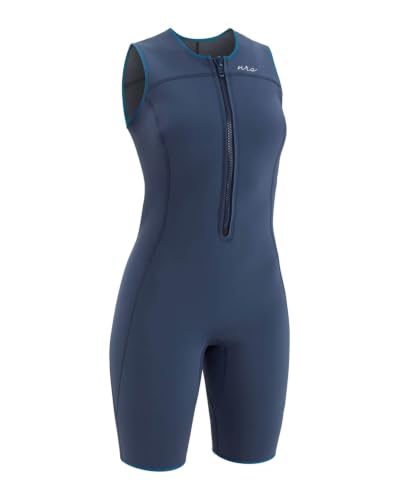
NRS Women's 2.0 Shorty Wetsuit-Slate-M
FAQ
Is the NRS 3.0 Ultra Jane wetsuit women’s cut true to size?
Sizing should be checked against the manufacturer chart using bust, waist and hip measurements. Owners of women’s NRS suits often say the women’s pattern runs close to standard women’s sizing, but fit can differ, so measure before ordering.
What water temperature is this suit good for?
It is generally positioned for mild to cool water, which is typical for paddling and recreational water use. For water in the 40s or below, a dedicated cold-water suit or added layers are usually recommended. Confirm your target conditions against the product details.
Can I use this suit for scuba diving?
It can be used for light water recreation, but if you plan to dive, check whether the thickness and construction match your dive conditions and your instructor’s or dive operator’s requirements. For specific diving guidance, consult a certified dive professional.
How should I wash and store it?
Rinse in fresh water after every use, especially after salt water or chlorine. Dry in shade, away from direct sun, and store flat or on a wide hanger to avoid creasing.
Does the Slate color show dirt or salt marks?
Dark neoprene can show salt residue more than lighter colors. Regular rinsing keeps it looking clean. Owners of dark suits often report that rinsing solves most visible marks.
Should I size up or down if I’m between sizes?
If you are between sizes, consider which area is hardest to fit. Many women with a fuller bust choose the size that fits there and then check the waist and hips. A fitting specialist or the manufacturer’s sizing support can help if you are unsure.
How long should a wetsuit last?
Lifespan depends on frequency of use, sun exposure and care. With regular rinsing and proper drying, many neoprene suits remain usable for several seasons. Signs of wear include stiffness, cracks at flex points and loss of seal.
Is this suit a good first wetsuit?
It can be, provided you measure carefully and understand the conditions you plan to use it in. Beginners often benefit from trying on several cuts first, which is why a review of fit basics is useful before buying.
Related reading
- NRS Women's Ultra Jane Wetsuit: Fit, Sizing and Buying Tips (2026)
- NRS Women's 2.0 Shorty Wetsuit: 7 Best Options for Fit and Warmth (2026)
- 7 Best Women's Short Jane Wetsuit Picks for Every Dive Style (2026)
- 6 Best Women's Long Jane Wetsuit Picks for Cold-Water Diving (2026)
- Zoot Women's Wetsuit Size Chart: How to Find Your Right Fit (2026)
- Zoot Women's Wetsuit Picks: 6 Best Zoot Wahine 1 Women's Wetsuit Options (2026)
About Ethan Brooks
Ethan Brooks is part of our editorial team and reviews and edits our scuba gear for women guides, checking product details against manufacturer specifications and owner feedback.
About the author
Ethan Brooks writes reviews and buying guides for Scuba Women.