Osprey Women’s Origin Shorty Wetsuit Review: Is It Worth It?
Reviewing the osprey women's origin shorty wetsuit: who it suits, what the listing specifies, common owner feedback, and when to choose an alternative instead.
 By Ethan Brooks
Updated November 23, 2026
 By Ethan Brooks
Updated November 2026
The osprey women’s origin shorty wetsuit is a short-sleeve, short-leg neoprene suit aimed at warm-water snorkelers, casual surfers and divers who want a lightweight layer rather than full thermal protection. If you swim, paddle or dive in water that stays roughly above the low 70s°F (around 22°C) and you want freedom through the shoulders and a simple pull-on fit, it is worth a close look. If you dive cold lakes, spend long hours in the water, or need a precise technical fit with a dedicated zip system, you will likely want something built for that job. This review works from the Amazon listing, manufacturer-style specifications and common patterns in owner feedback. It does not describe hands-on testing.
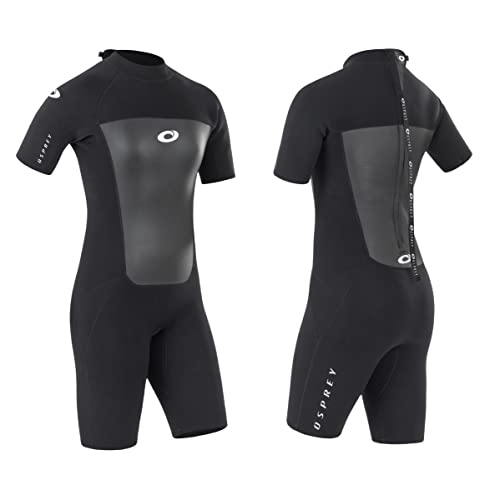
Osprey Women's Osp L – Origin Shorty Wetsuit, Black, XS UK
Product Overview
The Osprey Origin Shorty is part of Osprey’s women’s shorty range, sold as a women’s-cut wetsuit for water sports in warmer conditions. The listing identifies it as a black women’s shorty in size XS UK, which tells you the product is sized to UK conventions. That matters because UK sizing does not always line up with US or EU sizing, and it is the first detail to check before you order.
Shorties occupy a middle ground between a rash guard and a full wetsuit. They cover the torso and the upper thighs but leave the arms and lower legs bare. That design keeps the wearer cooler than a full suit, makes it easier to paddle and move, and reduces the time needed to get in and out of the suit. The trade-off is that the suit offers less insulation and less protection from sun, stings and contact with rocks or reef.
Because this is a shorty, the Origin is best understood as a warm-water or mild-temperature option. Divers who want a suit for cold, deep or long dives generally look at full-length 5mm or 7mm options. Snorkelers, surfers and recreational paddlers who spend time in mild water often find shorties more comfortable for their activity.
Key Features & Specifications
The table below lists only details that the product name and the listing identify clearly. Where the manufacturer’s full technical sheet would give thickness, zip placement or seam type, check the current Amazon listing and the brand’s own product information, since those specifics can vary by production run.
| Feature | Detail |
|---|---|
| Product type | Women’s shorty wetsuit |
| Brand | Osprey |
| Model name | Origin |
| Cut | Shorty (short sleeve, short leg) |
| Color listed | Black |
| Size listed | XS UK |
| Intended use | Warm-water water sports |
| ASIN | B079NL63LT |
Before you buy, check the thickness and zip details on the live product page. Shorties from most makers come in a range of neoprene thicknesses, and the difference between a 2mm and a 3mm suit is noticeable in warmth and flexibility.
Pros & Cons
Pros
- Short-sleeve, short-leg cut that leaves the shoulders, arms and lower legs free for paddling, swimming and freediving-style movement.
- Women’s-specific pattern, which owners and fit guides generally favor over unisex cuts for bust, hip and torso proportions.
- Quicker to put on and take off than a full wetsuit, which helps on hot days and in repeated sessions.
- Suited to warm-water snorkeling, surfing and casual paddling where full thermal protection is not needed.
- Black colorway tends to be a practical, low-fuss choice for general use.
Cons
- Limited warmth. A shorty is not designed for cold water, long immersion or extended dives in cool conditions.
- Less protection from sun, stings, abrasion and reef contact on exposed arms and legs.
- UK sizing means buyers must check conversions carefully; a size that looks right on a US chart may not match.
- Specific thickness, zip style and seam details are not fully spelled out in the listing name alone, so buyers need to confirm them on the product page.
- Not a technical dive suit; divers needing a suit for certification-level dives or cold-water training should consider a more specialized option.
Performance Analysis
Performance for a suit like this depends on three things: how well it fits, how much water temperature it has to handle, and how you use it. Because the listing does not publish full thermal ratings in its name, the analysis below draws on the general behavior of shorty wetsuits and on common themes in owner feedback for this category.
Fit and comfort
Owners of women’s shorties frequently mention that fit is the single biggest factor in satisfaction. A suit that is too loose lets water circulate and loses warmth quickly; one that is too tight restricts breathing and shoulder movement. For a shorty, pay particular attention to the chest, the shoulder seam and the length of the torso, since these areas are most noticeable when you swim or paddle. Measure your bust, waist and hip, then compare against the brand’s size chart rather than relying on your usual clothing size.
Warmth
Shorties keep the core warm and let the limbs cool. For many people in mild water, that balance feels good. In water much below about 70°F (21°C), most people begin to feel chilled during longer sessions in a shorty. Layering a rash guard underneath can add some warmth and sun protection. Owners in cooler climates often pair a shorty with a neoprene vest or hood if they want to extend their season.
Mobility
Freedom through the shoulders is the main reason people choose a shorty over a full suit. Swimmers and paddlers typically report that arm rotation feels natural, which is useful for surfing and snorkeling where you are constantly reaching and pulling. The short leg also allows kicking without much drag, though some people feel the top can ride up if the suit runs large.
Durability and care
Neoprene holds up best when rinsed in fresh water after every use, dried in the shade and stored flat or loosely folded. Avoid direct sun for long periods, which accelerates degradation. Expect a shorty to show wear sooner than a full suit if it is used on rocky shorelines, since exposed arms and legs are more likely to contact abrasive surfaces.
Because specific durability ratings are not published in the listing name, treat these notes as general guidance for neoprene shorties rather than guaranteed performance for this exact model.
Who Should Buy This Product?
The Origin Shorty suits a particular set of users well. Warm-water snorkelers who want protection from mild chill and sun without the bulk of a full suit are a good match. So are recreational surfers in tropical or subtropical waters and casual paddlers who spend most of their time on the surface. Women who want a women’s-cut shorty and who already know their UK or EU size conversion will find the buying process straightforward.
It is less suitable for cold-water swimmers, anyone planning long or deep dives, people who need a full-length suit for sun or reef protection, and those who want the thickest possible insulation. Buyers in those situations are better served by a full-length suit or a thicker shorty with a higher-warmth rating.
Buying Guide
Choosing the right women’s shorty is less about brand and more about matching size, thickness and water temperature to how you plan to use the suit. Work through the points below before you order.
- Confirm your water temperature. Shorties are best in warm water. If your typical session is below about 70°F (21°C), a thicker full-length suit is usually more comfortable.
- Check the sizing chart carefully. Measure your bust, waist and hips, then compare against the chart for the specific brand. UK sizes often run differently from US sizes, so do not assume your usual size matches.
- Look at the neoprene thickness. Thinner neoprene (about 2mm) is lighter and more flexible; thicker neoprene (3mm or more) holds more heat. Confirm the thickness on the product page.
- Decide on zip style. Back-zip and front-zip designs each have trade-offs in ease of putting on and in how well the suit seals. Choose the one you can manage alone.
- Plan your layers. If you want more warmth or sun protection, a rash guard under the shorty is a cheap, flexible addition.
If the Origin does not fit your needs, two well-known alternatives from the same brand may be worth comparing:
The Osprey Women’s Shorty Origin 3/2mm Neoprene Swimsuit Shorty in Black/Pink is a good option for those who want a slightly different colorway and a 3/2mm construction, which is a common thickness for mild-to-warm water shorties.
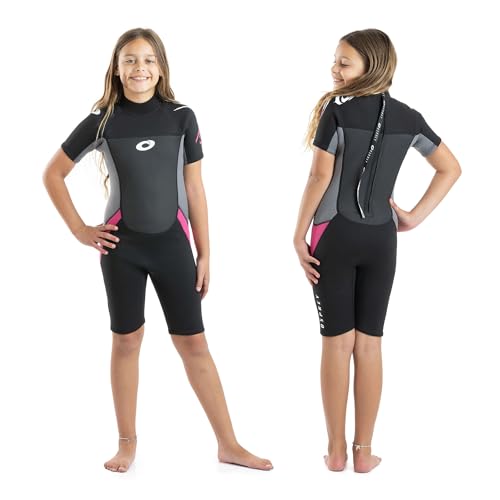
Osprey Women's Shorty Origin 3/2mm Neoprene Swimsuit Shorty Origin Black/Pink
The Osprey Women’s Short 3mm Summer Wetsuit in the Origin line is aimed at buyers who want a 3mm short-sleeve suit with a multicolor finish, sized in US-friendly larger increments (up to XL on the listing).
Osprey Women's Short 3mm Summer Wetsuit, Adult Short Sleeve Neoprene Surf Wetsuit Origin, Multicolor, XL
For a broader look at sizing and shorty options across brands, see Women's Shorty Wetsuit Plus Size: How to Find a Fit That Works (2026) and 6 Best Women's Shorty Wetsuit Picks for Warm and Cool Water (2026). If you are weighing a sleeveless design, 5 Best Women's Sleeveless Shorty Wetsuit Picks for Warm and Cool Water covers that category, and Women's Wetsuit Try On: A Step-by-Step Guide for Better Fit explains how to test a fit before you commit.
FAQ
Is the Osprey Origin Shorty warm enough for cold water?
Generally no. Shorties are designed for warm and mild water. In cooler conditions, a full-length wetsuit with thicker neoprene is the safer choice. If you are unsure about your water temperature or your tolerance to cold, consider consulting a dive professional or an experienced instructor before a session.
How do I know what size to order in UK sizing?
Measure your bust, waist and hips and compare them to the brand’s UK size chart on the product page. UK sizes frequently differ from US sizes by a full size or more, so avoid choosing based on your clothing size alone.
Can I wear a rash guard under the shorty?
Yes. A thin rash guard adds a bit of warmth, protects skin from sun and reduces chafing. Choose one that is not so bulky that it restricts the suit’s fit.
How should I rinse and store the suit?
Rinse in fresh water after every session, including salt and sand. Dry it inside out in the shade, then store it flat or loosely folded. Avoid hanging it on thin hangers, which can stretch the shoulders.
Is a shorty suitable for surfing?
Many surfers use shorties in warm water because the free arm movement helps with paddling and popping up. Water temperature is the deciding factor; in cooler surf, a full suit is more practical.
Does the shorty provide sun protection?
It covers the torso and upper thighs, which helps, but exposed arms and lower legs are not protected. Sunscreen or a rash guard is recommended for longer sessions in strong sun.
Should I check the thickness before buying?
Yes. The listing name does not spell out neoprene thickness, so confirm it on the product page or with the brand before you buy, since thickness strongly affects warmth.
Final Verdict
Osprey Women’s Origin Shorty Wetsuit: Our Recommendation
The Osprey Women’s Origin Shorty is a sensible choice for warm-water snorkeling, casual surfing and recreational paddling, particularly if you want freedom of movement through the shoulders and a women’s-specific cut. It is not a cold-water or technical dive suit, and buyers should confirm UK sizing, neoprene thickness and zip details on the live product page before ordering. If your sessions are in cooler water or you need extended thermal protection, a full-length suit or a thicker shorty is a better fit. For a product that matches its intended use, the Origin is worth considering.
View on AmazonRelated reading
- Women's Shorty Wetsuit Rip Curl: How to Choose the Right Fit and Warmth
- NRS Women's 2.0 Shorty Wetsuit: 7 Best Options for Fit and Warmth (2026)
- 5 Best Women's Scuba Shorty Wetsuit Picks for Warm Diving (2026)
- 5 Best Women's Long Sleeve Shorty Wetsuits for Cold-Water Diving (2026)
About Ethan Brooks
Ethan Brooks is part of our editorial team and reviews and edits our scuba gear for women guides, checking product details against manufacturer specifications and owner feedback.
About the author
Ethan Brooks writes reviews and buying guides for Scuba Women.