Princeton Tec Dive Light Review: Strengths and Limitations
Princeton Tec dive light review for women divers: features, pros and cons, buying tips, and who should skip this marker beacon before you buy.
 By Miles Sinclair
Updated November 11, 2026
 By Miles Sinclair
Updated November 2026
A Princeton Tec dive light is a practical choice for divers who want a compact, rugged light for signaling, marking a position or staying visible during a night dive. This review looks at the Princeton Tec Aqua Strobe LED, a neon yellow marker beacon built for diving, rescue and emergency safety. It is best suited to divers who want a visibility device rather than a main illumination light for seeing the reef. Divers planning deep wreck penetration, underwater photography or long navigation in low visibility will likely want a brighter primary light. Smaller-framed divers should also check how the unit clips to their gear, since the attachment is designed for a secure hold on a BCD or harness rather than a precise fit on any strap.
Princeton Tec Aqua Strobe LED – Neon Yellow | Dive Light Durable Military Grade Waterproof Marker Beacon for Diving, Rescue and Emergency Safety with Secure Attachment
Product Overview
The Princeton Tec Aqua Strobe LED is listed as a neon yellow dive light in the marker beacon category. Its listing describes it as a durable, military grade, waterproof unit for diving, rescue and emergency safety, with a secure attachment system. Marker beacons like this one differ from primary dive lights in purpose. Rather than lighting up a subject, they flash to make you visible to a boat crew, a buddy or a surface support team. That makes them a common addition to a dive kit for drift diving, boat diving in busy water and night dives where a surface team needs to locate you quickly.
Because the product is a strobe-style marker, it fits best alongside a main light instead of replacing one. Many divers pair a marker beacon clipped to a shoulder strap or BCD D-ring with a handheld primary light. This layered approach is a standard recommendation in dive safety training, and it is worth reviewing the equipment checklist in any formal course before you head out. For a broader look at how these tools work, see What Is a Water Activated Dive Marker Light and How Does It Work?.
Key Features & Specifications
The table below lists only the characteristics stated in the product name and listing. Where manufacturer specifications such as exact run time, flash rate or depth rating are not confirmed in the listing, they are omitted. Check the packaging or the manufacturer’s documentation for those figures before relying on them.
| Feature | What the listing states |
|---|---|
| Product type | Marker beacon / dive light (strobe style) |
| Color | Neon yellow |
| Intended use | Diving, rescue and emergency safety |
| Construction | Described as durable and military grade |
| Water resistance | Described as waterproof |
| Attachment | Secure attachment system |
| Brand | Princeton Tec |
Neon yellow is a deliberate choice for marker lights. It stands out against blue water and dark surroundings, and it is easy for a surface observer to pick out at a distance. Divers who prefer a different color for signaling should compare options before buying, since color preference is largely a matter of which hue your boat or dive operation uses.
Pros & Cons
Pros
- Neon yellow color is high-visibility for surface crews and buddies.
- Marketed as a durable, military grade housing suited to rough handling on boats and in surf.
- Described as waterproof, which is the baseline requirement for any underwater marker.
- Secure attachment system is designed to keep the light in place during the dive.
- Compact marker format is easy to clip to a BCD, harness or gear strap.
- Strobe-style signaling is a recognized method for drawing attention at distance.
Cons
- Not a primary light, so it does not help you see the reef, a wreck or a subject.
- Specific run time, flash pattern and depth rating are not confirmed in the listing; check the manufacturer’s documentation.
- Battery type and replacement details should be verified before purchase.
- Clip-based attachment may not suit every harness or BCD configuration.
- Owners who dive frequently in cold or silty conditions should test the controls and seals before each trip.
Performance Analysis
Because this review is based on the listing and general patterns in owner feedback rather than hands-on testing, the analysis focuses on how a marker beacon of this type is typically used and where it tends to earn its place. Owners of similar strobe-style marker lights often report that their main value is in the moments when they are not looking at the light. A strobe that keeps flashing while you are busy with a reel, a buoyancy adjustment or a surface swim is doing its job. That is the core performance question for this product.
Visibility from the surface is the second performance factor. Neon yellow tends to read well in open water and at dusk, but its effectiveness drops in bright midday sun or in choppy water where the light may be partly hidden by waves. Divers should not treat any single marker as a guarantee of being seen. Using a surface marker buoy alongside a strobe is a common recommendation in dive planning, and a surface signal is worth carrying regardless of which beacon you choose. For more on how night-time marking fits into a wider kit, see Wrist Mounted Dive Light: 7 Tips for Choosing and Using One Safely.
Durability is the third factor. The listing describes a military grade construction. That language is a manufacturer claim, not an independent certification, so divers should treat it as a starting point and inspect the housing, seals and clip after every trip. Rinse the unit in fresh water, check for grit in the attachment point and replace any worn components. Battery condition matters too: a marker that fails mid-dive is of little use, so charge or replace cells on a regular schedule.
Finally, consider how the light interacts with your other equipment. A clip that holds firmly on a thick cold-water BCD may feel bulky or sit awkwardly on a thin-strapped harness. Test the fit on land with your full kit on, and make sure the light does not snag on reef, line or other gear. Divers who are newer to using marker lights may find it useful to review the basics in Light Up Dive Sticks: 6 Steps to Choose and Use Them Safely, which covers placement and handling principles that apply across marker types.
Who Should Buy This Product?
This marker beacon makes sense for several groups of divers. Recreational divers who regularly dive from boats in open water will find a strobe marker a sensible safety addition. Night divers who want to remain visible to a surface team or a dive buddy will benefit as well. Women divers who dive in group settings and want a clearly visible signal to share their position can also find it useful, particularly when paired with a separate main light. Instructors and dive leaders may recommend it as a secondary signaling tool for students.
Divers who should probably skip it, or buy something else, include those who need a primary light for navigation, photography or wreck work. A strobe marker will not light your path or subject. Divers who dive exclusively in shallow, sheltered water with strong natural light may also not need a dedicated marker. If your dive plan does not involve surface transit, drift or limited visibility, your money may go further on a primary light or a surface marker buoy.
Buying Guide
When choosing a marker or signaling light, start with your dive profile. Ask whether you need a surface signal, a navigation aid or a primary light. Marker beacons answer the first need. Primary lights answer the second and third. Many divers end up with one of each, and that combination is worth considering before you spend on a single item.
- Check the color and flash pattern. Neon yellow is widely used, but confirm what your dive operator or local group expects.
- Verify the battery type and run time. Confirm the figures with the manufacturer, and carry spares for longer trips.
- Test the attachment on your gear. Clip the light to your BCD or harness on land, then move through a full range of motion.
- Inspect seals and housing before every dive. A small crack or worn gasket can cause water intrusion.
- Consider the rest of your kit. A marker works best alongside a surface marker buoy and a primary light.
If you want a different approach, there are two well-known alternatives in the same general space. The Princeton Tec League 420 Lumen LED Flashlight is a handheld light rated at 420 lumens in its listing, suited to land and general outdoor use rather than underwater signaling, so it works better as a backup torch than as a dive marker.

Princeton Tec League 420 Lumen LED Flashlight – Black | 420 Lumen LED Beam Delivers Powerful Portable Lighting With Durable Housing For Outdoor Adventures And Everyday Carry
For underwater primary illumination, the Underwater Kinetics C4 eLED (L2) Dive Light is a dedicated dive light in black, a different category from a strobe marker. Divers who need to see the reef or a subject will generally look at a light of this type rather than a beacon.
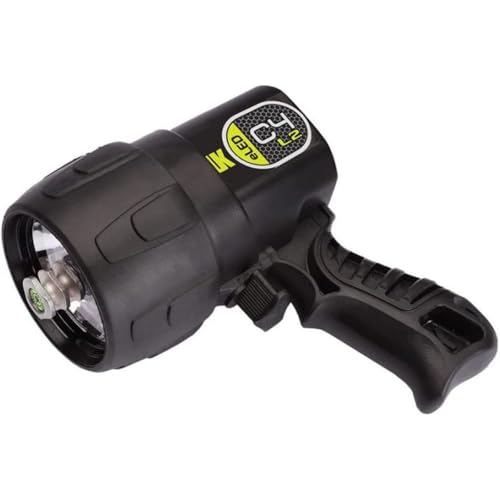
Underwater Kinetics C4 eLED (L2) Dive Light, Black
For more on choosing a primary light with your marker, see Top 7 Best Technical Dive Light Picks Compared for Serious Divers and Underwater Kinetics Dive Light: How to Choose and Use One Well.
FAQ
Is the Princeton Tec Aqua Strobe LED a primary dive light?
No. It is listed as a marker beacon with a strobe function, intended to make you visible to others. It does not light up the reef, a wreck or a subject, so divers who need to see their surroundings should carry a separate primary light.
Is this marker suitable for night diving?
It can be, since a strobe marker is a common tool for staying visible to a surface crew or buddy after dark. Pair it with a primary light and follow your training agency’s guidance for night dive procedures.
Does the listing confirm the depth rating?
The listing describes the product as waterproof, but it does not clearly state a specific depth rating in the product name. Check the manufacturer’s documentation or packaging before using it at depth.
How do I attach it to my BCD or harness?
The listing describes a secure attachment system. Clip it to a sturdy D-ring or strap, and test the hold on land with your full kit on before you dive.
What maintenance does a marker beacon need?
Rinse it in fresh water after each dive, check the seals and clip for wear or grit, and replace batteries on a regular schedule. Store it dry and away from direct sun when not in use.
Can a marker replace a surface marker buoy?
No. A strobe marker and a surface marker buoy serve different purposes. A surface marker buoy is typically used to signal your position to a boat during ascent or drift, while a strobe marker is worn on the diver to make the diver visible. Many divers carry both.
Should I consult a professional before buying dive safety gear?
Yes. Dive safety equipment should match your training, dive environment and local practices. Speak with a certified instructor or dive professional before choosing and using any signaling or lighting equipment.
Final Verdict
The Princeton Tec Aqua Strobe LED is a sensible option for divers who want a high-visibility neon yellow marker beacon for signaling and surface safety. Its listed strengths are the bright color, the durable housing and the secure attachment, which together suit boat diving, drift diving and night dives where being seen matters. Its limits are equally clear: it is not a primary light, and key specifications such as run time and depth rating should be confirmed with the manufacturer before purchase. Pair it with a primary light and a surface marker buoy for a complete setup, and inspect it carefully after every dive.
View on AmazonRelated reading
About Miles Sinclair
Miles Sinclair is part of our editorial team and reviews and edits our scuba gear for women guides, checking product details against manufacturer specifications and owner feedback.
About the author
Miles Sinclair writes reviews and buying guides for Scuba Women.