Samsung Watch Dive Computer: 3 Best Options for Women Divers (2026)
Looking for a Samsung watch dive computer? Compare three options by fit, specs, and dive features to find the right dive watch for your needs.
 By Ethan Brooks
Updated November 21, 2026
 By Ethan Brooks
Updated November 2026
A samsung watch dive computer sounds like a simple idea: one wrist device that tracks your dive, shows your depth and no-decompression limits, and doubles as your everyday watch. In practice, most Samsung and other smartwatches are not built for scuba. They lack pressure-rated housings, dedicated dive algorithms, and the reliability needed underwater. This guide focuses on purpose-built dive computers that women divers commonly consider when they want a rugged wrist unit. We compared products on dive-specific features, depth rating, display readability, gas support, battery endurance, sizing and wrist comfort, and how well each one fits recreational diving. Read on for three picks, a buying guide, and answers to common questions.
Our Top Picks
Quick Comparison
| Product | Best for | Key feature |
|---|---|---|
| SUUNTO Ocean Dive Computer, GPS Multisport Watch for Training, Steel Black | Divers who want a large touchscreen and route tracking | Underwater route tracking and wireless tank pressure monitoring |
| Cressi Leonardo 2.0 G2 Dive Watch, One-Button Air Nitrox Gauge, White/Black | Recreational divers who want a simple, button-operated computer | One-button air and nitrox gauge with adjustable conservatism levels |
| Garmin Descent X30, Rugged Dive Computer with Surface GPS | Divers who value a bright color display and long battery life | Vibrant 2.4-inch color display with multiple dive profiles |
SUUNTO Ocean Dive Computer
SUUNTO Ocean Dive Computer, GPS Multisport Watch for Training, Steel Black | Underwater Route Tracking & Wireless Tank Pressure Monitor, AMOLED Touchscreen, Dualband GNSS, Offline Map, 16D Battery Lif
This model suits women who want a touchscreen-driven dive computer with mapping and tank pressure monitoring, and who are comfortable with a larger, more multisport-oriented watch. It also works well for divers who like to track surface movement and dive sites in detail.
Key specs
- AMOLED touchscreen display
- Dual-band GNSS positioning
- Offline map support
- Underwater route tracking
- Wireless tank pressure monitoring
Pros
- Route tracking helps you review where you dove and how you moved underwater.
- Wireless tank pressure monitoring reduces the need to check a separate gauge.
- The AMOLED touchscreen is easy to read in bright conditions on the surface.
Cons
- The larger case can feel bulky on smaller wrists.
- Touchscreen operation can be less predictable with wet or gloved hands, according to some owner reports.
Cressi Leonardo 2.0 G2 Dive Watch

Cressi Leonardo 2.0 G2 Dive Watch, One-Button Air Nitrox Gauge, White/Black | Dive Computer, Scuba Watch, FO2 21%-50%, PO2 1.2-1.6 bar, 3 Conservatism Levels, Deep Stop, CNS Indicator
This is a straightforward choice for recreational divers who want a dedicated dive computer with physical buttons and a focus on air and nitrox planning. It suits divers who prefer a simpler interface over a full touchscreen.
Key specs
- One-button air and nitrox gauge
- Oxygen fraction range of 21% to 50%
- PO2 setting range of 1.2 to 1.6 bar
- Three conservatism levels
- Deep stop and CNS indicator functions
Pros
- Button operation works reliably with gloves and wet hands.
- Adjustable conservatism levels let you choose a more cautious profile.
- The nitrox range covers common recreational blends.
Cons
- Without a touchscreen, navigating menus takes more practice.
- It does not offer the mapping or smartphone-style features of touchscreen models.
Garmin Descent X30
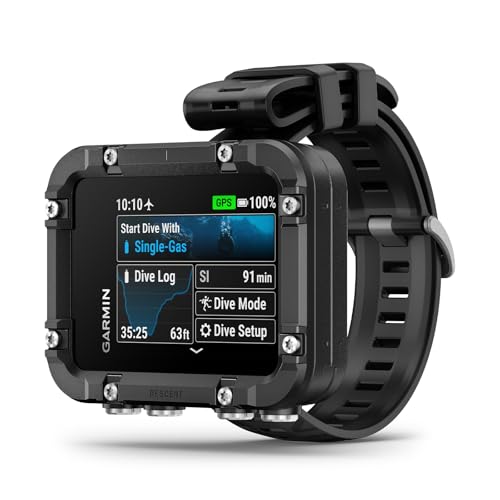
Garmin Descent™ X30, Rugged Dive Computer with Surface GPS | Vibrant 2.4" Color Display, Mutliple Dive Profiles, 10 ATM Dive-Rated, Mark Entry & Exit Points, Up to 30 Hours Battery Life
The Descent X30 fits divers who want a rugged, bright display and a long battery life for multi-day trips or boat diving. It also suits women who want surface GPS and an entry and exit point log for navigation.
Key specs
- 2.4-inch color display
- 10 ATM dive rating
- Multiple dive profiles
- Entry and exit point marking
- Up to 30 hours of battery life, per manufacturer specifications
Pros
- The color display is clear in varied light and makes dive data quick to scan.
- Long battery life suits travel without frequent charging.
- Entry and exit point marking helps with boat and shore dive navigation.
Cons
- The screen and case size may feel large for smaller wrists.
- Advanced features can take time to learn, and some owners recommend practicing on the surface first.
Buying Guide
Selection Criteria
When comparing wrist dive computers, start with the criteria that affect safety and daily use: depth rating, dive algorithm and gas support, display readability, battery life, and fit. Brand reputation and recurring owner feedback patterns also help you judge long-term reliability. Our picks were chosen by reviewing manufacturer specifications and common owner feedback, not by personal testing. A related read: 4 Best Buying Used Scuba Regulator Options for Women Divers (2026).
Important Features
- Dive mode and algorithm: Confirm the device has a dedicated dive mode with a recognized decompression model. Smartwatch fitness modes do not replace this.
- Gas support: If you dive nitrox, check the supported oxygen fraction range and PO2 limits.
- Depth rating: A rating of at least 100 meters is common for recreational dive computers, but always match the rating to your planned diving.
- Air integration: Wireless tank pressure monitoring saves you from checking a separate gauge, but it adds pairing steps.
- Display: Look for a screen you can read at depth and in glare on the surface.
Specs to Check
- Maximum operating depth and water rating
- Supported gases and PO2 range
- Conservatism or personal settings
- Battery life in dive mode versus everyday mode
- Strap material and lug width, which affect sizing
Choosing by Need
- Frequent boat divers or travelers: Prioritize battery life and GPS or entry and exit logging.
- Recreational air divers: A simple button interface and a clear air gauge are often enough.
- Tech-minded divers who like data: Route tracking and detailed logs add value.
Things to Watch Out For
- Do not rely on a standard Samsung smartwatch for decompression planning. Consumer smartwatches are generally not designed or certified for dive computation.
- Check the case size on your wrist. Oversized units can shift during fin kicks and interfere with your gauge reading.
- Keep firmware and dive profiles up to date, and rinse the unit in fresh water after each dive.
Consult a professional dive instructor or a dive medicine specialist before relying on any device for dive planning.
FAQ
Can a Samsung watch be used as a dive computer?
Standard Samsung smartwatches are not designed to serve as dedicated dive computers. They may have water resistance for swimming, but they lack certified dive algorithms and depth-rated housings. For decompression tracking, use a device built for scuba.
What is the difference between a dive computer and a dive watch?
A dive computer calculates decompression status using a dive algorithm and measures depth and time. A dive watch is mainly a timepiece with water resistance and may not include dive calculations. Many modern dive computers look like watches, so check the specifications.
Do I need air integration?
Air integration is optional. It displays tank pressure and remaining air time on your wrist. It is helpful for divers who want fewer gauges, but a standard pressure gauge works well if you prefer simplicity.
Is nitrox support necessary?
If you plan to dive enriched air nitrox, yes. Make sure the device supports your planned oxygen fraction and PO2 limits. Recreational air-only divers may not need this feature.
How long does battery life last on a dive computer?
Battery life varies by model and mode. Manufacturers list battery life for specific usage conditions, and real results depend on dive duration, display brightness, and features like GPS. Charge fully before trips and check the listed dive-mode endurance.
How should a dive computer fit on the wrist?
The case should sit comfortably without sliding over the wrist bone or restricting movement. Check strap length and lug width, especially if you have a smaller wrist. A snug but comfortable fit reduces the chance of the unit shifting during dives.
Should I get training before using a dive computer?
Yes. Learn the device’s menus, dive modes, and alarms on the surface before diving, and make sure you understand the algorithm and conservatism settings. A certified instructor can help you review these safely.
Conclusion
Among these three options, the SUUNTO Ocean suits divers who want a large touchscreen, route tracking, and wireless tank pressure. The Cressi Leonardo 2.0 G2 fits recreational divers who prefer straightforward button controls and nitrox planning. The Garmin Descent X30 is a good match for divers who want a bright display, long battery life, and entry and exit logging for boat and shore trips. Whichever you choose, rely on a purpose-built dive computer rather than a standard samsung watch dive computer substitute, and confirm the features you need in the manufacturer’s specifications. For deeper comparisons, see Wrist Watch Dive Computer vs Console Dive Computer: Which Should You Choose? and Dive Computer vs Dive Watch (2026): Which Is Better for Women Divers?.
Related reading
- Samsung Galaxy Watch Ultra Dive Computer: What Divers Should Know (2026)
- Wrist Watch Dive Computer: How to Choose and Use One Safely (2026)
About Ethan Brooks
Ethan Brooks is part of our editorial team and reviews and edits our scuba gear for women guides, checking product details against manufacturer specifications and owner feedback.
About the author
Ethan Brooks writes reviews and buying guides for Scuba Women.