Zoot Sleeveless Wetsuit Women’s Review: Features and Performance
Zoot sleeveless wetsuit women's review: who the Manta suit suits, who should skip it, and the specs, fit and buying tips female divers need before ordering.
 By Ethan Brooks
Updated November 23, 2026
 By Ethan Brooks
Updated November 2026
The Zoot Women’s Manta Sleeveless Wetsuit is aimed at female swimmers, triathletes and open-water training regulars who want a sleeveless zoot sleeveless wetsuit women’s option with a Yamamoto neoprene build and a hydrophobic surface. It suits women who swim in water that is comfortable without much insulation and who value shoulder freedom over full-body warmth. It is a weaker choice for cold-water divers or anyone who needs thick thermal protection, and women with a long torso or very narrow frame should check sizing before buying.
Zoot Women’s Manta Sleeveless Wetsuit, Yamamoto Neoprene Triathlon Suit with Hydrophobic Finish, Buoyancy & Arm Mobility – Marine Mint – Large
Product Overview
The Manta is a sleeveless triathlon-style wetsuit sold under the Zoot Women’s line. The listing name describes it as a Yamamoto neoprene suit with a hydrophobic finish, designed to support buoyancy and arm mobility, and it is offered in the Marine Mint colorway. Zoot positions the suit for swimming, triathlon and open-water training rather than scuba diving or cold-water surfing, so it is best understood as a performance swim suit with buoyancy support.
The sleeveless cut is the defining feature. Removing the sleeves lets the shoulder and upper arm move freely through the stroke, which matters for women who want the stroke mechanics of an unrestricted swimmer while still getting some flotation and streamlining. Sleeveless designs are generally a trade-off: less warmth and less coverage in exchange for range of motion.
Because the listing is marketed for swimming and triathlon, the suit should be judged by those standards. Scuba divers who need a multi-hour exposure suit with a hood and full-length coverage will likely look elsewhere. For a broader look at how sleeveless designs compare, see Sleeveless Swimming Wetsuit Women's: How to Choose the Right Fit (2026).
Key Features & Specifications
The table below lists only the details that appear in the product name or that are standard for this product category. Manufacturers typically publish full thickness and sizing charts on the product page, so confirm those before purchase.
| Feature | Detail |
|---|---|
| Product type | Sleeveless triathlon / open-water swim wetsuit |
| Brand line | Zoot Women’s |
| Model name | Manta |
| Neoprene | Yamamoto neoprene |
| Surface finish | Hydrophobic finish |
| Design focus | Buoyancy and arm mobility |
| Colorway | Marine Mint |
| Size listed | Large |
| Intended use | Swimming, triathlon, open-water training |
Yamamoto is a neoprene formulation widely used in performance wetsuits, and hydrophobic finishes are intended to shed water and reduce drag at the surface. Exact thickness in millimeters is not stated in the listing name, so check the manufacturer’s specification sheet for panel-by-panel thickness before assuming warmth levels.
Pros & Cons
Pros
- Sleeveless cut allows full shoulder and arm rotation for swim stroke.
- Yamamoto neoprene is a recognized performance material for flexibility.
- Hydrophobic finish is designed to reduce water absorption and drag.
- Buoyancy support is built in, which can help less confident swimmers stay higher in the water.
- Sold under a women’s-specific line, so the cut is intended for female proportions.
Cons
- Sleeveless design offers limited warmth compared with full-sleeve suits.
- Not designed for scuba diving or extended cold-water exposure.
- Sizing runs on women’s-cut charts, so women between sizes may need to test fit carefully.
- Fit tolerance is tight across the shoulders and chest for some body types.
Performance Analysis
Performance in a swim suit depends on three things: how the neoprene behaves when stretched, how the buoyancy is distributed, and how the fit holds during repetitive overhead motion. Based on the stated design focus, the Manta is built around arm freedom and body position in the water. The sleeveless design removes resistance at the shoulder, and the Yamamoto neoprene is generally used where stretch and recovery matter for swimmers.
Owners of sleeveless triathlon suits frequently report that the primary benefits are shoulder comfort during long sessions and a more natural catch in the stroke compared with full-sleeve options. Common feedback patterns for suits in this category also point to fit as the biggest variable: a suit that is too tight restricts breathing, while one that is too loose can let water circulate and reduce buoyancy. Owners often mention that the chest and shoulder area sets the fit more than length.
Warmth is the main limitation. Sleeveless suits leave the arms and shoulders exposed, so water temperature tolerance is narrower than with a full-sleeve model. Most swimmers using this type of suit in cooler open water add a neoprene cap, and some pair it with a thin base layer where the water allows. Buoyancy support is useful for confidence, but it is not a substitute for swim technique, and it can change body position enough that swimmers used to a flat stroke need a short adjustment period.
Durability is harder to assess from specifications alone. Neoprene suits generally wear best when rinsed in fresh water after use, stored flat or hung in shade, and kept away from sunscreen and harsh detergents. Owners report that seam quality and zipper stress are the usual points of failure, so checking the zipper action before each season is worthwhile.
Who Should Buy This Product?
This suit fits women who swim open water, train for triathlon, or want a comfortable training suit in mild to moderate water temperatures. It is especially suited to swimmers who find full-sleeve suits restrictive and who want buoyancy assistance without a bulky build. Women who regularly swim in water that is cool rather than cold, and who are comfortable using a cap or base layer when needed, are the best match.
It is less suitable for scuba divers, cold-water swimmers who need thick thermal protection, and anyone who needs a suit for long exposure sessions in water below moderate temperatures. Women who are between sizes, or who have a longer torso or very broad shoulders, should try the suit on or confirm measurements before ordering. For guidance on trying suits on properly, see Women's Wetsuit Try On: A Step-by-Step Guide for Better Fit.
Buying Guide
Start with water temperature and session length. A sleeveless suit is a good fit for mild water and training sessions of moderate duration. If your water runs cold or you swim for long periods, a full-sleeve or thicker suit will serve you better. Check whether your local conditions call for a cap, gloves or a base layer, and factor those into your choice.
Next, measure carefully. Use the brand’s women’s size chart rather than a general unisex guide, and measure bust, waist, hip and torso length. Shoulders and chest are the usual fit determinants for sleeveless suits, so pay attention to any notes on those areas. For a step-by-step approach, see Zoot Women's Wetsuit Size Chart: How to Find Your Right Fit (2026).
Consider these alternatives in the same product family:
- Zoot Women’s Maui Sleeveless Wetsuit – a no-sleeve Neoskin neoprene suit aimed at open-water swimming, triathlons and training. Useful if you want a sleeveless option with a different neoprene feel.
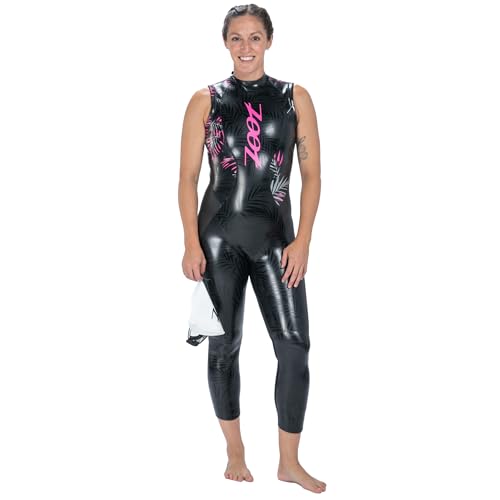
Zoot Women's Maui Sleeveless Wetsuit, No Sleeve Neoskin Neoprene Buoyancy Suit for Open Water Swim, Triathlons & Training – Pink Palm – Large
- Zoot Women’s Maui Wetsuit (Full Sleeve) – a full-sleeve Neoskin suit for open-water swimming and triathlon. Better suited to cooler water and longer sessions.

Zoot Women's Maui Wetsuit, Full Sleeve Neoskin Neoprene Buoyancy Suit for Open Water Swimming, Triathlons & Training – Pink Palm – X-Small
For broader comparisons of sleeveless models, see Women's Sleeveless Triathlon Wetsuit: How to Choose the Right Fit.
FAQ
Is this suit good for open-water swimming?
The listing positions it for open-water swimming and triathlon, and the sleeveless cut and buoyancy design are aligned with that use. Warmth in cooler water is limited, so add a cap or base layer where needed.
Can I use it for scuba diving?
It is not marketed for scuba. Divers typically need thicker, full-coverage suits designed for thermal protection and extended exposure.
How should I size this suit?
Use the brand’s women’s size chart and measure bust, waist, hips and torso length. If you are between sizes, consider how your shoulders and chest fit, since those areas most affect comfort in a sleeveless design.
Does it keep me warm?
Warmth depends on neoprene thickness, which should be confirmed on the manufacturer’s specification sheet. Sleeveless designs offer less insulation than full-sleeve suits, so they are best for mild to moderate water temperatures.
How do I care for it?
Rinse in fresh water after each use, dry in shade, and store flat or hung. Avoid sunscreen contact and harsh detergents, and check the zipper before each season.
Will it help me float?
Buoyancy support is part of the design, which can help swimmers stay higher in the water. It does not replace proper swim technique, and body position may take a short time to adjust to.
Should I consult a professional before buying?
If you have a medical condition affecting breathing, circulation or temperature regulation, or if you are new to open-water swimming, speak with a qualified coach, physician or certified instructor before choosing a suit and entering open water.
Final Verdict
Is the Zoot Women’s Manta worth it?
For women who train or race in open water and want a sleeveless suit with a performance neoprene and buoyancy support, the Manta is a sensible choice, provided the sizing fits and the water temperature suits a sleeveless design. It is not the right tool for scuba or cold-water exposure. Check the size chart, measure carefully, and compare it with the alternatives above before you buy. View on Amazon
Related reading
- Zoot Women's Wetsuit Picks: 6 Best Zoot Wahine 1 Women's Wetsuit Options (2026)
- Zone 3 Sleeveless Wetsuit Women's: A Fit and Buying Guide for Female Divers
About Ethan Brooks
Ethan Brooks is part of our editorial team and reviews and edits our scuba gear for women guides, checking product details against manufacturer specifications and owner feedback.
About the author
Ethan Brooks writes reviews and buying guides for Scuba Women.