7 Best Dive Photo Light Picks for Underwater Photography (2026)
Looking for the best dive photo light? Compare seven underwater lights by beam type, power, and camera use, with pros, cons, and buying tips for divers.
 By Miles Sinclair
Updated November 20, 2026
 By Miles Sinclair
Updated November 2026
Finding the best dive photo light comes down to three things: how much light your camera needs, whether you want a wide or narrow beam, and how the light handles repeated trips underwater. This list compares seven lights sold on Amazon US, based on product listings, manufacturer specifications, and patterns in owner feedback.
Our top picks at a glance
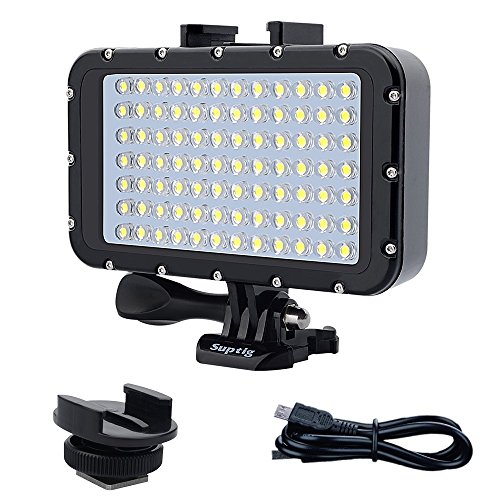
- 1TOP CHOICEBest overallSuptig Underwater Lights Dive Light 84 LED High Power Dimmable Waterproof LED Video LightView on Amazon
- 2
 TOP CHOICEBest for high outputWurkkos DL46 Dive Light, 20000 Lumen Scuba Diving Super Bright FlashlightView on Amazon
- 3
 TOP CHOICEBest for compact handheld useWurkkos DL05 Scuba Dive Light 6000LM, 14H Runtime Underwater FlashlightView on Amazon
- 4
 Best for mid-range budgetsWurkkos DL30 Dive Light Rechargeable, 3600 Lumens Bright Scuba Diving LightView on Amazon
- 5
 Best for long-distance spottingBigblue AL1300 Lumen Narrow Beam Dive LightView on Amazon
- 6
 Best for close-range subjectsWINDFIRE Dive Light Scuba Diving Flashlight Bright Underwater FlashlightView on Amazon
- 7
 Best for wide-angle coverageBigblue AL 1300 Lumen Wide Beam Dive LightView on Amazon
Our Top Picks
Quick Comparison
| Product | Best for | Key feature |
|---|---|---|
| Suptig Underwater Lights Dive Light 84 LED | Camera fill light | Dimmable, 164 ft rating |
| Wurkkos DL46 Dive Light | High output | 20000 lumens, rechargeable |
| Wurkkos DL05 Scuba Dive Light | Compact handheld use | 6000 lumens, 14-hour runtime |
| Wurkkos DL30 Dive Light | Mid-range budgets | 3600 lumens, 3 modes |
| Bigblue AL1300 Narrow Beam | Long-distance spotting | Focused beam throw |
| WINDFIRE Dive Light | Close-range subjects | Power indicator, IPX8 |
| Bigblue AL 1300 Wide Beam | Wide-angle coverage | Broad even illumination |
Suptig Underwater Lights Dive Light 84 LED High Power Dimmable Waterproof LED Video Light
Suptig Underwater Lights Dive Light 84 LED High Power Dimmable Waterproof LED Video Light Waterproof 164ft(50m) Camera Light for Gopro Canon Nikon Pentax Panasonic Sony Samsung SLR Cameras 6 Best Dive Lights with Laser Options for Night and Reef Diving goes further into this.
Best for: Camera fill light
A good fit for divers who shoot stills or video and want to dial output up or down to match the scene and their camera.
Pros
- Dimmable output helps avoid backscatter
- Rated to 164 ft (50 m)
Cons
- Not ideal as a primary dive light for night navigation
Wurkkos DL46 Dive Light, 20000 Lumen Scuba Diving Super Bright Flashlight
Wurkkos DL46 Dive Light, 20000 Lumen Scuba Diving Super Bright Flashlight | Scuba Diving Light Rechargeable , 6* XHP50 LED 3 Modes Super Bright Underwater Light Waterproof Dive Torch, for Divers Divin
Best for: High output
Suits experienced divers who need strong light for deep, dark, or open-water conditions and are comfortable managing a larger handheld unit.
Pros
- Listed at 20000 lumens with three modes
- Rechargeable design
Cons
- High output drains the battery faster and can cause heavy backscatter up close
Wurkkos DL05 Scuba Dive Light 6000LM, 14H Runtime Underwater Flashlight
Wurkkos DL05 Scuba Dive Light 6000LM, 14H Runtime Underwater Flashlight | IPX8 Waterproof 100M Rechargeable Submersible Torch with Type-C, Handheld Scuba Diving Light for Snorkeling, Night Diving
Best for: Compact handheld use
A practical choice for recreational divers who want a manageable light for night dives and snorkeling with a long listed runtime.
Pros
- Listed runtime of 14 hours
- IPX8 rating to 100 m
Cons
- Less output than the higher-lumen lights on this list
Wurkkos DL30 Dive Light Rechargeable, 3600 Lumens Bright Scuba Diving Light
Wurkkos DL30 Dive Light Rechargeable, 3600 Lumens Bright Scuba Diving Light | IPX-8 Waterproof Flashlight, 3 Modes, 100m Underwater Lights for Night Diving Cave Snorkeling Submersible Safety Lights
Best for: Mid-range budgets
Fits divers who want solid output without paying for the highest-lumen models, including those using lights for cave and night work.
Pros
- Three modes for flexible output
- Rated IPX-8 to 100 m
Cons
- Output is modest for very deep or murky dives
Bigblue AL1300 Lumen Narrow Beam Dive Light
Bigblue AL1300 Lumen Narrow Beam Dive Light
Best for: Long-distance spotting
Works well for divers who want to pick out subjects at a distance, such as marine life in open water.
Pros
- Focused beam carries farther
- Simple, direct operation
Cons
- Narrow coverage leaves edges of the frame dim
WINDFIRE Dive Light Scuba Diving Flashlight Bright Underwater Flashlight
WINDFIRE Dive Light Scuba Diving Flashlight Bright Underwater Flashlight | 3 Modes, Power Indicator, IPX8 Waterproof, Built-in Battery Non-detachable, Long-lasting, Night Diving & Snorkeling
Best for: Close-range subjects
A sensible option for divers shooting close macro or detail work where a moderate, controllable beam is more useful than raw power.
Pros
- Power indicator shows battery status
- IPX8 waterproof build
Cons
- Built-in battery is non-detachable, so spares are not an option
Buying Guide
Light Output and Lumens
Lumen ratings tell you how bright a light is, but more is not always better for photography. Underwater, water absorbs light quickly, so a higher output helps you reach subjects farther away and keep colors visible at depth. For most dive photo work, a light in the mid-range is enough for close and medium-distance shots.
Beam Width: Wide Versus Narrow
A wide beam lights up a broad area, which suits macro subjects, wide-angle shots, and general navigation. A narrow beam reaches farther and works well for spotting distant subjects or lighting open water. Think about the type of photography you do most before choosing.
Mounting and Compatibility with Your Camera
Check whether the light can attach to your camera rig or handle, and whether it works with the camera brands you use. Video-style LED lights often mount on standard accessory arms, while handheld dive torches usually need a separate holder or a dedicated bracket. A secure mount matters because a loose light can shift mid-dive and throw off your framing.
Battery Type and Runtime
Some lights use rechargeable built-in batteries, while others take replaceable cells. Built-in batteries tend to be simpler to keep sealed, but you cannot swap in a fresh battery on a long trip. Look at the listed runtime at your typical brightness setting, and plan on carrying a charger when traveling.
Waterproof Rating and Build Quality
An IPX8 rating means the light is built for continuous submersion, but the depth rating listed by the manufacturer is what matters for diving. Pay attention to the housing material and seals, especially if you plan to use the light in saltwater, where corrosion can shorten a light’s life. Rinsing the light with fresh water after each dive helps it last longer.
FAQ
What is the best dive photo light for beginners?
A mid-range light with adjustable brightness and a wide beam is usually the easiest place to start. It gives you enough output for close subjects without the extra bulk and cost of very high-powered models. Adjustable settings also let you learn how light affects your photos.
Do I need a powerful light for macro photography?
Not usually. Macro subjects are close to the lens, so a moderate light with a wide beam often provides enough illumination. Lowering the power also helps avoid backscatter, the bright specks caused by light reflecting off particles in the water.
How many lumens do I need for wide-angle underwater photos?
Wide-angle shots benefit from more light, especially when you want to show color in the background or light a larger scene. Higher-output lights are a better fit here, though exact needs depend on water clarity and depth. Testing a few settings on your own dives is the best way to find what works.
Can I use a dive light on a camera that is not made for underwater use?
Many dive lights are sold with mounts meant for common camera brands, but compatibility depends on the mount style and the camera’s accessory system. Your camera housing also needs to be rated for the depth you plan to dive. Always confirm both before diving.
How do I care for my dive light after a trip?
Rinse the light in fresh water, dry it fully, and inspect the O-rings and seals for debris or wear. Store it with the battery at a moderate charge if it has a built-in battery. Regular care helps protect the waterproofing and extends the light’s working life.
Conclusion
If you want a balanced, all-around light for everyday dive photography, the top-ranked option is the best starting point. Divers shooting macro or close-up subjects will likely do well with a moderate wide-beam model, while those photographing larger scenes or distant subjects should look at higher-output or narrow-beam options.
Match the light to your camera setup, your typical depth, and the kind of photos you want to take. Choosing based on your real diving habits will serve you better than simply picking the brightest light on the list.
Related reading
- 6 Best Natural Shine Dive Lights for Underwater Photos and Night Dives
- Tovatec Fusion Video LED Dive Light: 6 Best Picks for Underwater Video (2026)
- Top 7 Best Technical Dive Light Picks Compared for Serious Divers
- Top 6 Best GoPro Dive Lights Worth Considering in 2026
About Miles Sinclair
Miles Sinclair is part of our editorial team and reviews and edits our scuba gear for women guides, checking product details against manufacturer specifications and owner feedback.
About the author
Miles Sinclair writes reviews and buying guides for Scuba Women.