Free Dive Gear Bag: 5 Best Picks for Divers Compared (2026)
Looking for a free dive gear bag that handles fins, masks and wet suits? Compare five picks on fit, separation and carry style before you buy.
 By Ethan Brooks
Updated November 9, 2026
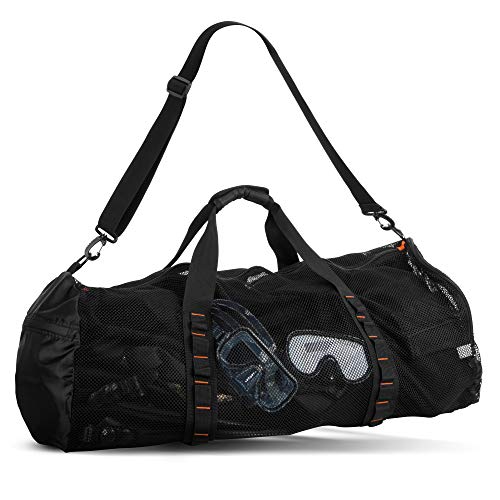 By Ethan Brooks
Updated November 2026
Choosing a free dive gear bag comes down to how you travel, how much gear you carry and how often wet equipment needs to stay separate from dry clothes. Freedivers often carry long fins, a mask, a snorkel, a lightweight wetsuit and sometimes a weight belt, so the right bag has to fit long items, drain quickly and keep salt water away from everything else. The picks below were compared on size and capacity, mesh versus solid construction, wet and dry separation, carry options and how well each design suits boat, beach or air travel. Specifications come from manufacturer listings and common owner feedback patterns, not from hands-on testing.
Our top picks at a glance
- 1TOP CHOICEBest overallFitdom 90L 29" Large Mesh Duffle Bag for Scuba, Snorkeling & Water SportsView on Amazon
- 2
 TOP CHOICEBest for long finsCressi Long Fins Set Bag – Freediving Scuba Gear BagView on Amazon
- 3
 TOP CHOICEBest for wet and dry separationFasrom Scuba Diving Bag Backpack with Wet and Dry SeparationView on Amazon
- 4
 Best for small kit and snorkel gearAKONA Free Dive Snorkel BagView on Amazon
- 5
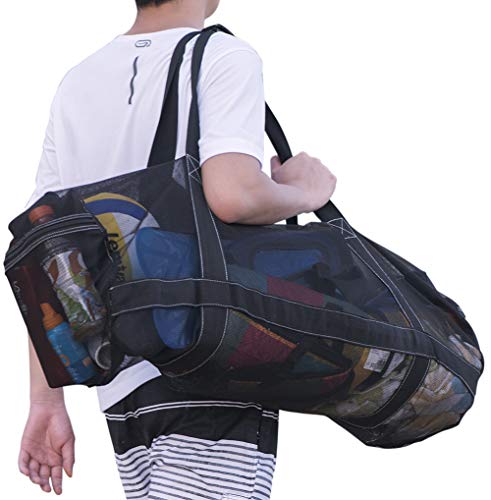 Best budget pickBulex 37 Inch XXL Mesh Duffle Bag for Scuba Dive GearView on Amazon
Our Top Picks
Quick Comparison
| Product | Best for | Key feature |
|---|---|---|
| Fitdom 90L 29″ Large Mesh Duffle Bag | Overall use across boat, beach and travel | 90-liter mesh body with reinforced panels |
| Cressi Long Fins Set Bag | Carrying long freediving fins | Dedicated length for long fins |
| Fasrom Scuba Diving Bag Backpack | Keeping wet gear apart from dry clothes | Wet and dry separation with shoe compartment |
| AKONA Free Dive Snorkel Bag | Compact freedive kit and snorkel gear | Streamlined bag sized for mask, snorkel and fins |
| Bulex 37 Inch XXL Mesh Duffle Bag | Bulky kit on a tighter budget | Extra-large mesh volume for oversized gear |
Fitdom 90L 29″ Large Mesh Duffle Bag for Scuba, Snorkeling & Water Sports
Fitdom 90L 29" Large Mesh Duffle Bag for Scuba, Snorkeling & Water Sports | Quick Dry Mesh, 30 lb Capacity, Water Resistant Pocket & Reinforced Panels for Swimming, Diving, Beach, Pool & Travel Gear
Best for: Overall use across boat, beach, pool and air travel
This is the most versatile option on the list. It suits divers and freedivers who want one bag for a full setup, including a wetsuit, fins, a mask and extra layers, and who do not want to juggle several bags on a trip.
Key specs
- 90-liter capacity, 29-inch length (per listing)
- Quick-dry mesh body with reinforced panels (per listing)
- Water-resistant pocket (per listing)
- Listed capacity of 30 lb
Pros
- Large volume handles a full kit with room to spare
- Mesh body lets wet gear drain and dry faster than solid fabric
- Reinforced panels help the bag hold its shape under heavy loads
Cons
- Mesh offers little protection from snagging or abrasion on rough docks
- Large size can be unwieldy when packed full and carried alone
Bottom line: A strong choice if you want one bag that covers most diving and beach needs. Pick it if you carry a full kit and value drainage.
View on AmazonCressi Long Fins Set Bag – Freediving Scuba Gear Bag
Cressi Long Fins Set Bag – Freediving Scuba Gear Bag Made in Premium Material Quality Since 1946
Best for: Carrying long freediving fins without bending them
Freedivers using long blade fins often struggle to find a bag that accommodates their length. This bag is aimed at that gap, making it a good match for those who want fins protected and kept separate from the rest of the kit.
Key specs
- Designed as a dedicated freediving and scuba gear bag (per listing)
- Made by Cressi, a long-established dive equipment brand (per listing)
Pros
- Built specifically around long fin length
- Brand recognition in diving equipment supports confidence in build quality
- Keeps fins organized and separate from masks and clothing
Cons
- Narrow purpose means it is less useful as a full-kit bag
- Limited capacity compared with larger duffel-style options
Bottom line: Best for freedivers who want a dedicated fin bag. Pair it with a larger bag if you need to carry everything else.
View on AmazonFasrom Scuba Diving Bag Backpack with Wet and Dry Separation
Fasrom Scuba Diving Bag, XL Mesh Dive Bag Backpack for Snorkeling Gear | Wet & Dry Separation, Shoe Compartment, Holds Mask, Fins, Snorkel and Diving Equipment, Black
Best for: Keeping wet gear apart from dry clothes and personal items
Owners who dive from shore or travel by foot or transit will often prefer a backpack format. This one puts wet and dry compartments in the same bag, which suits anyone who wants to separate salt-covered gear from a phone, keys or a change of clothes.
Key specs
- Backpack format with XL mesh body (per listing)
- Wet and dry separation with a dedicated shoe compartment (per listing)
- Holds mask, fins, snorkel and diving equipment (per listing)
Pros
- Wet and dry separation protects personal items
- Backpack straps leave hands free for walking and carrying tanks
- Dedicated shoe space keeps footwear from touching other gear
Cons
- Backpack capacity is smaller than a large duffel for bulky items
- Mesh side panels can let sand and grit into the main compartment
Bottom line: A practical pick for shore divers and commuters who want a dry compartment without carrying a second bag.
View on AmazonAKONA Free Dive Snorkel Bag
AKONA Free Dive Snorkel Bag
Best for: Compact freedive kit and snorkel gear
If you carry a mask, snorkel, fins and a few small accessories rather than a full scuba setup, a smaller purpose-built bag keeps the load manageable. This suits recreational freedivers and snorkelers who value a tidy, easy-to-carry option.
Key specs
- Designed as a freedive and snorkel bag (per listing)
- Compact footprint relative to full duffel-style bags
Pros
- Right-sized for freedive and snorkel kit without excess volume
- Easy to carry on a boat, to the beach or in a car trunk
- Keeps small items grouped and easy to find
Cons
- Not large enough for a wetsuit plus full scuba gear
- Fewer compartments than some larger wet and dry designs
Bottom line: Good for freedivers and snorkelers with a light kit. Choose a larger bag if you add scuba equipment or a wetsuit.
View on AmazonBulex 37 Inch XXL Mesh Duffle Bag for Scuba Dive Gear
Bulex 37 Inch XXL Mesh Duffle Bag for Scuba Dive Gear | Extra Large Beach Duffle Bag for Snorkel Spearfishing Kayak Freedive Pool Swimming Watersports Boat Equipment
Best for: Bulky kit on a tighter budget
This extra-large mesh duffel is a budget-friendly way to carry oversized items such as long fins, multiple accessories and a bulky wetsuit. It also works for other water sports, which can make it a sensible second bag for a household.
Key specs
- 37-inch XXL mesh duffel format (per listing)
- Designed for scuba, snorkel, kayak and spearfishing gear (per listing)
Pros
- Very large volume for bulky or multi-sport gear
- Mesh construction speeds up drying after a dive
- Budget-oriented option for occasional divers
Cons
- Thin mesh offers limited protection against abrasion and punctures
- Oversized shape can be hard to handle when fully loaded
Bottom line: A sensible choice for occasional divers who need space and want to spend less. Consider a more reinforced bag if you travel often.
View on AmazonBuying Guide
Capacity and Dimensions
Measure your longest item first. Fins commonly range from roughly 20 to 30 inches depending on blade style, so a bag under 29 inches may not fit long freediving fins flat. Add up the volume of your wetsuit, mask, boots, weight belt and towel. Many divers find a 60 to 90 liter bag covers a full setup, while a 30 to 45 liter bag suits a freedive or snorkel kit.
Good picks for this: Fitdom 90L Large Mesh Duffle Bag, Cressi Long Fins Set Bag
Wet and Dry Separation
Wet gear soaks the bag and can transfer salt water and sand onto clothes, phones and travel documents. Look for a dedicated wet compartment, a separate shoe pocket or a water-resistant zippered pocket for valuables. Separation matters most on boat trips and flights where you cannot dry gear right away.
Good picks for this: Fasrom Scuba Diving Bag Backpack, Fitdom 90L Large Mesh Duffle Bag
Mesh Versus Solid Construction
Mesh bags drain and dry faster, which reduces mildew and odor between trips. Solid fabric protects gear from abrasion, dust and sun but holds moisture. Many divers choose mesh for daily use and keep a solid bag or dry sack for travel. Check whether seams and panels are reinforced, especially at the base where bags are dragged across concrete or sand.
Good picks for this: Bulex 37 Inch XXL Mesh Duffle Bag, Fitdom 90L Large Mesh Duffle Bag
Carry Style and Portability
Duffel bags work well for car trunks and boats, but they are awkward to carry long distances. Backpack styles keep hands free for tanks, cameras and gate-check luggage. If you walk from a parking lot to a beach entry, weigh the bag fully loaded before choosing, since a 30 lb capacity fills quickly with wet neoprene.
Good picks for this: Fasrom Scuba Diving Bag Backpack, AKONA Free Dive Snorkel Bag
Use Case: Freedive, Snorkel or Scuba
Freediving kit is lighter and more streamlined than a full scuba setup, so a smaller bag may be enough. Scuba divers carrying regulators, BCDs and wetsuits need more volume and often a separate bag for regulators. For mixed use, a large duffel is the most flexible starting point.
Good picks for this: AKONA Free Dive Snorkel Bag, Cressi Long Fins Set Bag
Durability and Seams
Check how the bag is built where stress concentrates: handle attachments, zipper ends and base corners. Reinforced panels and heavy-duty zippers extend lifespan, particularly if you travel by air or drag bags over rough ground. Thin mesh is lighter and drains better but can tear on sharp dock edges.
Good picks for this: Fitdom 90L Large Mesh Duffle Bag, Bulex 37 Inch XXL Mesh Duffle Bag
Care and Cleaning
Rinse gear in fresh water after every dive and let the bag air dry completely before storing it. Store bags open or loosely closed so mildew does not form. Salt residue can stiffen zippers, so rinse those too. Manufacturers typically advise against machine washing or drying, so follow the label instructions for your specific bag.
Good picks for this: Fasrom Scuba Diving Bag Backpack, AKONA Free Dive Snorkel Bag
FAQ
What size free dive gear bag do I need for a full scuba setup?
A full setup with wetsuit, BCD, regulator, fins and mask usually needs 60 liters or more. Many divers choose a 90 liter duffel so they do not have to compress wet gear.
Is a mesh bag or a solid bag better for freediving gear?
Mesh drains and dries faster, which helps prevent odor and mildew. Solid bags protect better from abrasion. Many divers use mesh for everyday trips and a solid bag when flying.
Can I carry a freediving bag on a plane?
Most airlines treat dive gear as sports equipment, but rules on size, weight and checked baggage vary. Check your airline’s policy before you fly, and remove or dry wet items where possible.
How do I keep wet gear from smelling up the bag?
Rinse all gear in fresh water after each dive, dry it fully and leave the bag open to air out. Avoid storing wet neoprene inside a closed bag for several days.
Do I need a separate bag for fins?
Not always, but long fins are easier to carry and protect in a dedicated bag. Many freedivers use a fin bag for long blades and a duffel for everything else.
Is a backpack style good for dive gear?
Yes, especially for shore diving and walking to the entry point. Backpacks free your hands, but they hold less than a large duffel. Choose based on how far you carry the bag and how much gear you bring.
Conclusion
For most divers, the Fitdom 90L Large Mesh Duffle Bag offers the broadest coverage, from boat trips to air travel. Freedivers with long fins should look at the Cressi Long Fins Set Bag, while those who walk from parking to the water may prefer the Fasrom backpack for its wet and dry separation. The AKONA Free Dive Snorkel Bag suits light freedive and snorkel kits, and the Bulex XXL mesh duffel is a practical budget choice for bulky gear. Match the bag to your longest item, your carry distance and how often wet gear needs to stay separate.
Sources
- Guidance on water safety and keeping recreational equipment clean to reduce risk of infection and irritation (cdc.gov)
- Boating safety rules and equipment storage guidance for recreational water users (uscg.mil)
- Information on responsible use of waterways and protecting coastal and marine environments (nps.gov)
Related reading
- Dive Gear Bag With Wheels: 5 Best Picks for Divers (2026)
- Akona Roller Duffel Dive Gear Bag Review: Is It Worth It?
- 8 Best Dive Gear Travel Bags for Divers Flying With Equipment (2026)
About Ethan Brooks
Ethan Brooks is part of our editorial team and reviews and edits our scuba gear for women guides, checking product details against manufacturer specifications and owner feedback.
About the author
Ethan Brooks writes reviews and buying guides for Scuba Women.