O’Neill Women’s Epic 3/2mm Back Zip Full Wetsuit Review (2026)
Reviewing the women's epic 3/2mm back zip full wetsuit from O'Neill: fit notes, key specs, pros and cons, and who it suits for cool-water diving.
 By Ethan Brooks
Updated November 23, 2026
 By Ethan Brooks
Updated November 2026
The women’s epic 3/2mm back zip full wetsuit is a mid-range option for divers who spend most of their time in water between roughly 60°F and 75°F and want a full-length suit with a back zipper they can operate on their own. It suits recreational divers, snorkelers who spend extended time in the water, and women who prefer a classic back-zip entry over a chest zip. It is a weaker choice for anyone diving in water much colder than about 60°F, where a 4/3mm or thicker suit will be more comfortable, and for divers who want the stretch and minimal bulk of a jacket-and-pants combination.
O'NEILL Women's Epic 3/2mm Back Zip Full Wetsuit, Black/Black/Black, 8 | Epic 3/2mm Back-Zip Full Wetsuit
Product Overview
This is O’Neill’s Epic 3/2mm back-zip full wetsuit, listed in black with black and black trim in size 8. The Epic line is one of the brand’s long-running entry and mid-tier series, and the 3/2mm thickness places it in the common “warm-to-moderate” category: 3mm of neoprene across the torso and 2mm in the limbs. That split is intended to keep the core warm while allowing reasonable arm and leg movement.
The back zip is the defining construction choice. A back zip is usually easier to get into on your own than a chest zip, and it avoids the stiff zipper panel across the chest that can restrict breathing and reach. The tradeoff is that you need a partner or a few practice attempts to close the zipper, and a back-zip suit typically sits a little differently across the shoulders than a front-zip design.
Because the listing is for a specific size and colorway, fit should be confirmed against the manufacturer’s sizing information before purchase. Women’s sizing in wetsuits varies by brand, so a size 8 in one line may not match a size 8 in another. Our Women's Wetsuit Full Body: How to Choose the Right Fit (2026) guide walks through how to measure and compare sizes.
Key Features & Specifications
The table below lists only the specifications that the product name confirms or that are well established for this model line. Items not confirmed by the listing are left out rather than estimated.
| Feature | Detail |
|---|---|
| Brand | O’Neill |
| Product line | Epic |
| Style | Full-length wetsuit |
| Thickness | 3/2mm (3mm core, 2mm limbs) |
| Entry | Back zip |
| Gender | Women’s |
| Color | Black/Black/Black |
| Size listed | 8 |
Thickness pairing matters in practice. Manufacturers generally describe the thicker panel as covering the torso for core warmth, with thinner neoprene on the arms and legs for flexibility. For the sizing conventions behind these numbers, see Women's Xcel Wetsuit Sizing Chart: How to Find Your Right Fit (2026), which explains how thickness and cut interact with fit across brands.
Pros & Cons
Pros
- Back zip entry is easier to manage solo than a chest zip for many divers.
- Full-length coverage protects arms and legs from wind and sun during surface intervals.
- The 3/2mm build is a versatile thickness for warm-to-moderate water.
- Simple black colorway is practical and pairs with most gear.
- Part of a well-known product line with a wide range of sizes.
Cons
- Thinner than needed for water much below about 60°F.
- Back zip requires a partner or practice to close fully.
- Less stretch and freedom of movement than a jacket-and-pants setup.
- Fit can feel snug through the shoulders and chest for some body shapes.
- Fewer advanced construction details than higher-tier suits.
Performance Analysis
Performance in a wetsuit comes down to three things: how well it holds heat, how freely it lets you move, and how reliably it fits. On heat retention, a 3/2mm suit provides a moderate layer of insulation. Owners in cooler local waters commonly report that the torso stays comfortable for a typical recreational dive but that cold extremities and a gradually chilling core appear on longer or colder dives. Pairing with a neoprene hood, gloves and booties extends the usable temperature range considerably.
Movement is generally good for a full suit at this thickness. The thinner limb panels allow relatively unrestricted arm reach and kicking, which is why 3/2mm suits remain popular for recreational diving. Divers who do a lot of exertion, such as strong currents or underwater photography with heavy rigs, sometimes find that the suit’s fit, rather than its thickness, becomes the limiting factor.
Fit is where owner feedback tends to vary most. Back-zip suits sit differently than chest-zip suits, and a correct fit should feel snug without restricting breathing, with no gaps at the wrists, ankles or neck. Owners often recommend trying the suit on with a wetsuit lubricant and checking that the zipper closes without strain. If you are between sizes, the Women's Wetsuit Try On: A Step-by-Step Guide for Better Fit article offers a practical method for testing before you commit.
Durability and seam quality are areas where manufacturers’ specifications and owner reports should be read together. Seam construction and neoprene quality affect how a suit holds up over many dives, and the exact construction details for this model are not something this review can confirm from the listing alone.
Who Should Buy This Product?
This suit fits best if you dive mainly in water from about 60°F to 75°F, want a full-length suit for sun and wind protection, and prefer a back zip. It is a reasonable choice for recreational divers, certified open-water students in warmer climates, and snorkelers who spend long stretches in the water.
You should skip this suit if your diving is mostly in cold water, if you need the flexibility of a two-piece setup for tropical-to-cold travel, or if you cannot comfortably manage a back zip without help. Women who dive in cooler lakes or the North Atlantic will likely want a 4/3mm or thicker option. For those cases, the 6 Best Women's 4/3 Full Wetsuit Picks for Cold Water Diving (2026) roundup covers thicker alternatives.
Buying Guide
Before buying, work through these steps:
- Check the water temperature you dive in most. If it is usually below 60°F, look at thicker options first.
- Measure yourself and compare to the brand’s size chart. Chest, waist, hips and inseam are the standard measurements. Do not assume your size carries over between brands.
- Decide between back zip and chest zip. Back zips are generally easier to get into alone; chest zips often feel more secure and less restrictive across the shoulders.
- Test the fit dry, then wet. The suit should feel snug everywhere without pinching at the armpits or restricting a full breath.
- Plan accessories. A hood, gloves and booties change the warmth picture far more than many divers expect.
If this suit does not match your needs, consider these well-known alternatives:
O’Neill Women’s Epic 3/2mm Back Zip Full Wetsuit, Glide Black/Black/Black is a closely related option from the same line for divers who want a similar 3/2mm full suit with a different colorway and finish.
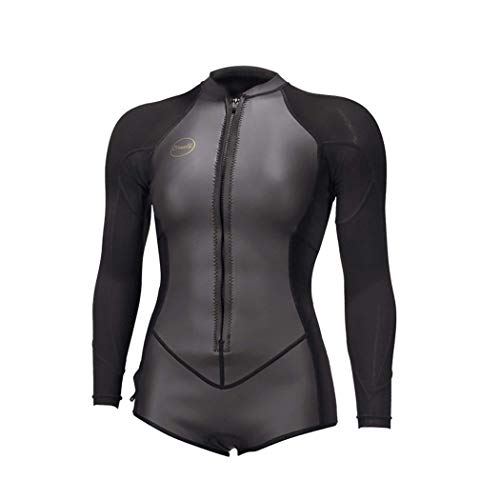
O'Neill Wetsuits womens Women's Epic 3/2mm Back Zip Full Wetsuits, Glide Black/Black/Black, 8 US
For divers who need a thicker suit for cooler water, the 3 Best O'Neill Women's Epic 4/3 Wetsuits for Cold-Water Diving (2026) roundup compares the same family in a warmer-to-colder configuration.
For divers who want a full-length suit with a different entry style, the 3 Best Women's Front Zip Wetsuits for Every Dive Need (2026) guide compares front-zip designs.
FAQ
Is a 3/2mm wetsuit warm enough for diving?
For water roughly between 60°F and 75°F, a 3/2mm suit is a common and comfortable choice for recreational dives. In colder water, most divers add a hood, gloves and booties or move to a thicker suit.
Is a back zip wetsuit hard to put on alone?
Most people can get in alone but need a partner or practice to close the back zipper. Many divers find it manageable with a short routine, though a partner makes it considerably easier.
How should a women’s wetsuit fit?
It should feel snug all over without restricting breathing or shoulder movement. There should be no large gaps at the wrists, ankles or neck. Consult the brand’s size chart and, where possible, try the suit on.
Does a full-length wetsuit restrict movement?
A 3/2mm full suit allows good arm and leg movement for most recreational diving. Divers doing strenuous work may prefer a more flexible two-piece system.
Can I use this suit for snorkeling?
Yes, many snorkelers use a thin full suit for warmth and sun protection in mild water. The thickness is generally suited to moderate temperatures rather than extended exposure in cold conditions.
How long should a wetsuit last?
Lifespan depends on care, use and storage. Rinsing in fresh water after each dive, drying in shade and avoiding folding while wet all help. Owners’ experiences vary widely, so treat any estimate as approximate.
Should I consult a professional about wetsuit fit or cold-water safety?
If you have a medical condition affected by cold, such as cardiac or circulatory concerns, consult your doctor before diving in cool water. A certified instructor can also advise on suit choice for your local conditions.
Final Verdict
The women’s epic 3/2mm back zip full wetsuit is a sensible, versatile choice for recreational divers in moderate water who value full coverage and an easy-to-manage back zip. It is not the right tool for cold water, and it rewards careful fit checking more than most suits. If your diving matches its temperature range and you have a partner or a practiced routine for the zipper, it is a solid option.
View on AmazonRelated reading
About Ethan Brooks
Ethan Brooks is part of our editorial team and reviews and edits our scuba gear for women guides, checking product details against manufacturer specifications and owner feedback.
About the author
Ethan Brooks writes reviews and buying guides for Scuba Women.