Zone3 Women’s Vision Wetsuit Review: Features and Performance
Read our zone3 women's vision wetsuit review covering B-prene biodegradable rubber, fit, buoyancy and who should buy it for open water and triathlon.
 By Ethan Brooks
Updated November 23, 2026
 By Ethan Brooks
Updated November 2026
The zone3 women’s vision wetsuit review you are reading is aimed at female swimmers, triathletes and open-water divers who want a fitted suit made from a more sustainable rubber than standard neoprene. This model is built for people who spend most of their time in cool to mild open water and want a wetsuit that feels secure without feeling restrictive. It suits buyers who value a women-specific cut, a sustainable material story and a suit that works across swimming, snorkelling and light diving. It is less suited to cold-water swimmers who need maximum insulation, to people who need a very wide size range, or to anyone who wants a suit built purely for competitive racing speed.
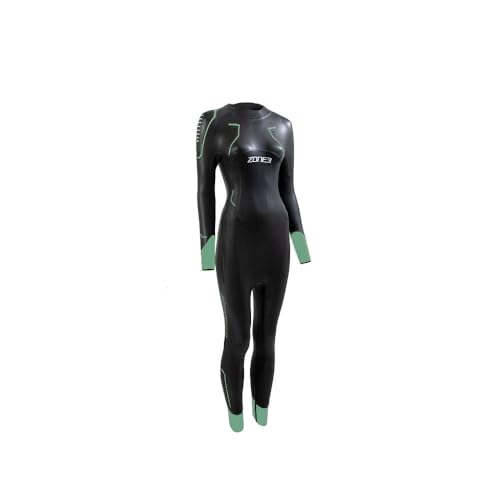
ZONE3 Women's B-prene Vision Wetsuit Made from Biodegradable Rubber, Sustainable Triathlon Suit for Swimming, Diving, Snorkelling
Product Overview
The ZONE3 Women’s B-prene Vision Wetsuit is a women-specific triathlon and open-water suit sold under the Zone3 name. Its listing title identifies three things worth focusing on: the B-prene biodegradable rubber construction, the intended use across swimming, diving and snorkelling, and the Vision designation, which Zone3 uses for its entry-to-mid range open-water line. The suit is cut for a female body shape rather than being a scaled-down men’s pattern, which matters because chest, hip and shoulder proportions differ enough that a unisex suit often gaps at the neck or bunches at the lower back.
Manufacturers describing B-prene position it as a rubber compound that reduces reliance on petroleum-based neoprene while keeping the stretch and buoyancy properties swimmers expect. Owners often report that the suit feels softer against the skin than older-generation neoprene, though feel varies with size and how snugly the suit is worn. Because this is a research-based review, the observations below rely on the listing title, Zone3’s publicly stated design direction and common patterns in owner feedback rather than on our own hands-on testing.
Where this suit sits in the lineup matters. Zone3 offers several women’s models at different price and feature tiers, and the Vision designation generally signals a practical, everyday open-water suit rather than a top-tier racing skin. If you are comparing across the brand, the article 7 Best Zone3 Women's Venture Wetsuit Models for Open Water (2026) and 5 Best Zone3 Advance Wetsuit Women's Options for Open Water (2026) give useful context on how the families differ.
Key Features & Specifications
The table below lists only the details that are confirmed by the product name or are widely established for this product line. Where we cannot verify a specification, we have left it out rather than estimate it.
| Feature | What It Means for You |
|---|---|
| Women-specific cut | Patterned for female proportions, which helps reduce gapping at the neck and bunching at the lower back. |
| B-prene biodegradable rubber | A rubber compound marketed as a more sustainable alternative to standard petroleum-based neoprene. |
| Vision line designation | Positions the suit as a practical open-water and training model within Zone3’s range. |
| Intended uses | Swimming, diving and snorkelling, so it works across open-water training and casual dive or snorkel sessions. |
| Suit type | Full-coverage wetsuit style, as opposed to sleeveless or shorty designs. |
Specific thickness figures, seam construction details and exact buoyancy ratings are not reliably published in the listing title, so buyers who need those numbers should check the manufacturer’s current size and specification chart before ordering.
Pros & Cons
Pros
- Women-specific pattern helps the suit fit more naturally through the bust, shoulders and hips than a unisex cut.
- B-prene rubber appeals to buyers who want a more sustainable material than conventional neoprene.
- Covers swimming, snorkelling and diving, so one suit handles several activities.
- Owners often describe the feel against the skin as softer than older rubber formulations.
- Sits in a practical, everyday category that suits training and recreational open-water use.
Cons
Performance Analysis
Performance in a wetsuit comes down to three things: how well it fits, how buoyant it is and how much warmth it holds. Without published lab data for this exact model, we can only speak to the patterns that show up in the category and in owner commentary, and you should weigh those accordingly.
Fit. A women-specific cut is the main reason to consider this suit over a unisex option. Owners of women-specific suits commonly note that the chest and shoulder area sits more comfortably and that the rear panel does not ride down as easily during the stroke. The most common fit complaint across the category is a suit that is too large in the torso, which allows water to flush through and causes chafing. Follow the manufacturer’s chart closely and measure your chest, waist, hips and height rather than relying on your usual clothing size.
Buoyancy and body position. Rubber wetsuits lift the hips and legs, which helps swimmers hold a flatter, more streamlined position. The degree of lift depends on material thickness and suit cut. Because the B-prene thickness is not reliably published in the listing title, we cannot give a specific buoyancy figure. Owners of similar Vision-line suits often describe a noticeable lift that helps beginners in open water, though strong swimmers may feel the suit is slightly more buoyant than they want for pure speed work.
Warmth. Warmth is where buyers should be most careful. Sustainable rubber compounds are marketed as neoprene alternatives, but they do not automatically insulate better or worse than traditional neoprene of the same thickness. In practical terms, this suit is most comfortable in mild to moderately cool water. If you swim in water below the low 50s°F for long sessions, you should look at a thicker or more insulated model and consider adding a neoprene cap, gloves or booties.
Durability and care. Owners generally recommend rinsing the suit in fresh water after every session, avoiding prolonged sun exposure while drying and hanging it on a wide hanger rather than a thin wire one. These habits matter more than the material itself for extending the life of any wetsuit.
Who Should Buy This Product?
This suit makes sense if you are a female open-water swimmer, a triathlete training in lakes or sea swims, or a recreational snorkeller or diver who wants one suit for several activities. It is a good fit if you prioritise a women-specific shape and a more sustainable material story. Buyers who fit comfortably into the mid-range sizes on the chart are most likely to be satisfied.
You should skip this suit if you are a serious racer chasing marginal gains, if you regularly swim in very cold water, or if your measurements fall at the extremes of the size chart. In those cases a higher-performance racing suit or a thicker cold-water model will serve you better.
Buying Guide
Before you buy any women’s wetsuit, work through these steps. Fit matters far more than brand, and a well-fitting mid-range suit will outperform a poorly fitting premium one.
- Measure yourself carefully. Take chest at the fullest point, waist at the natural waistline, hips at the widest point and your height. Compare these against the manufacturer’s chart, not your everyday clothing size.
- Decide on your water temperature. Mild water and short sessions need less thickness. Colder water and longer swims need more insulation and possibly a different material or thickness.
- Choose the right cut for your activity. Triathlon and open-water swimming favour a sleek fit with freedom in the shoulders. Diving and snorkelling may favour a slightly more forgiving fit that works over other layers.
- Try it on dry, then wet. The suit should feel snug but not restrictive. You should be able to raise your arms overhead and take a full breath without the chest panel pulling hard. Wet fitting, where possible, tells you more.
- Check the seams and zip. Look for well-finished seams and a zip that closes flat and lies against the back without catching skin.
If you want to compare alternatives within the same brand, the Zone3 Women’s Agile Wetsuit and Zone3 Women’s Advance Wetsuit are the most relevant options. Both are well-known models in the Zone3 range and differ mainly in positioning and feature set.
The Zone3 Women’s Agile Wetsuit is aimed at triathletes who want a more performance-oriented fit. It suits buyers who want a streamlined race feel and are willing to accept a more technical cut.

Zone3 Women's Agile Wetsuit
The Zone3 Women’s Advance Wetsuit sits in the brand’s advanced tier and is commonly chosen by swimmers who want more refined performance features and a premium feel.

Zone3 Women's Advance Wetsuit
For broader comparisons across brands, Women's Tri Wetsuit Reviews: How to Pick the Right Model (2026) walks through the main decision points, and Women's Wetsuit Try On: A Step-by-Step Guide for Better Fit covers fitting in detail.
FAQ
Is the ZONE3 Women’s B-prene Vision Wetsuit good for open-water swimming?
Yes, for most recreational and training open-water swimmers in mild to moderately cool water. Its women-specific cut and buoyancy suit everyday open-water use. Competitive racers seeking maximum speed may want a higher-tier model.
What does B-prene biodegradable rubber mean?
B-prene is the material name Zone3 uses for a rubber compound marketed as a more sustainable alternative to standard petroleum-based neoprene. Check the manufacturer’s current material information for the latest details on composition.
Is this wetsuit warm enough for cold water?
It is best suited to mild to moderately cool water. For long sessions in water below the low 50s°F, consider a thicker, more insulated suit and add a neoprene cap, gloves or booties.
How should I choose my size?
Measure chest, waist, hips and height and compare against the manufacturer’s chart. Do not rely on your usual clothing size. If you fall between sizes, consult the brand’s guidance on whether to size up or down.
Can I use it for snorkelling and diving?
The listing states it is intended for swimming, diving and snorkelling. For diving, confirm the thickness suits your water temperature and check with a certified instructor or dive shop if you are unsure whether the insulation is sufficient for your planned dives.
How do I care for a rubber wetsuit?
Rinse in fresh water after every session, dry in shade, avoid prolonged sun exposure and hang on a wide hanger. Good care extends the life of any wetsuit regardless of material.
Does it fit differently from a unisex wetsuit?
A women-specific cut is patterned for female proportions, which usually means better fit through the bust, shoulders and hips than a scaled-down unisex suit. Individual bodies vary, so fit testing is still important.
Should I consult a professional before buying?
If you have a medical condition affecting circulation, breathing or temperature regulation, or you plan serious dives, speak with your doctor or a certified dive professional before choosing and using any wetsuit.
Related reading
- Orca Women's TRN Wetsuit Review vs Alternatives: Which Is Better? (2026)
- Orca Women's Open Water Wetsuit Review: Who Is It For?
About Ethan Brooks
Ethan Brooks is part of our editorial team and reviews and edits our scuba gear for women guides, checking product details against manufacturer specifications and owner feedback.
About the author
Ethan Brooks writes reviews and buying guides for Scuba Women.